
Opinion

The Kashmir Monitor opinions section features opinion articles, editorial opinions, today's opinion, analysis and columnist & opinion stories.

Education for peace and harmony

Ghulam Quadir Jeelani Education empowers individuals to realise what kind of behaviour and actions are expected of them as responsible human beings. The purpose of education goes beyond the mere propagation of

Oct. 20, 2026

Empowering girl child is empowering nation

Fida Firdous The rights of the girl child have never been fully put into practice. There are various reasons, the most important one being the underestimation of a girl’s potential. From the home to schools, we underestimate girls’ innate capacities.
Oct. 19, 2026

A Call for Safer Roads and Stronger Road Discipline

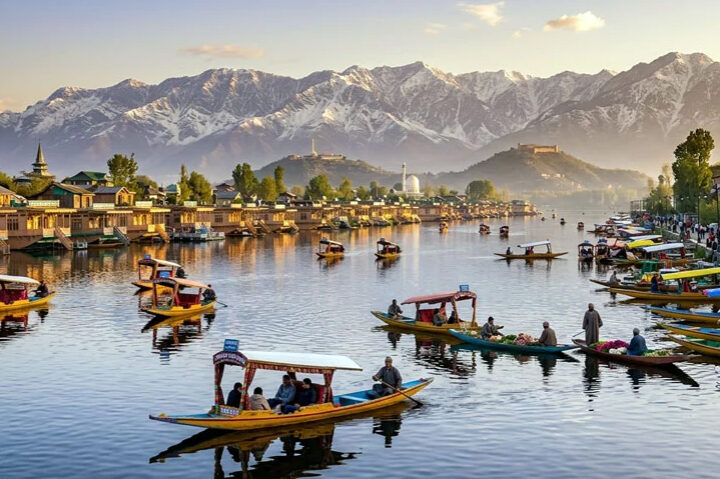
Fida Firdous The tragic accident on the Teetwal–Simari Road in Karnah, Kupwara, in which five people lost their lives and several others were injured, has once again brought the issue of road safety in the border and hilly areas of Kupwara into sharp focus. Such tragedies raise questions about driver behaviour, but drivers alone cannot be held responsible for every accident. Road conditions, vehicle fitness, enforcement, weather, terrain and emergency response are equally important factors. Driving in hilly areas carries risks very different from those encountered on roads in the plains. Places such as Karnah, Teetwal, Keran and Machil have roads passing through steep mountains, sharp curves, narrow stretches and deep gorges. Rain, snow, fog and falling debris can make these routes even more challenging. Geography, however, cannot explain every tragedy. The danger becomes much greater when difficult terrain is combined with overspeeding, reckless overtaking, overloading, poor vehicle maintenance or disregard for traffic rules. A small mistake that might be manageable on a wide road in the plains can have devastating consequences on a narrow mountain road. The responsibility for road safety, therefore, cannot rest solely with drivers. Vehicle fitness needs greater attention. Tyres, brakes, steering, suspension and other essential components should be regularly inspected, particularly in vehicles that routinely carry passengers on difficult mountain routes. Drivers operating passenger vehicles on these roads should also be sensitised to safe speeds, overtaking risks and driving during adverse weather conditions. Road engineering must become an equally important part of the discussion. Accident-prone stretches should be identified through periodic road-safety audits. Wherever technically feasible, vulnerable points should have adequate crash barriers, reflectors, road markings and warning signs. Sharp curves and blind spots require particular attention. Even relatively small engineering interventions at dangerous locations can improve safety. A more visible traffic-police presence is also needed, particularly during tourism seasons when the movement of visitors and local passengers increases. Deployment at vulnerable points can help regulate traffic, discourage overspeeding and reckless overtaking, and ensure compliance with safety rules. Clearly visible speed-limit signs and warnings about dangerous curves and accident-prone stretches should complement enforcement. Another major concern is emergency response. In remote mountainous areas, reaching a hospital can take considerable time, while the period immediately after a serious accident can be crucial. First-aid facilities, ambulance support and trained responders at selected strategic locations could provide immediate assistance. Local taxi associations, transport workers and volunteers could also be given basic first-aid and emergency-response training, as local people are often among the first to reach an accident site. The development of Karnah, Teetwal, Keran and Machil should therefore not be viewed only in terms of road connectivity and tourism. Development must also include a comprehensive road-safety system. Better roads, safer vehicles, responsible drivers, visible enforcement, proper road engineering and quick emergency assistance must develop together. The geography of Kupwara cannot be changed, but the way we manage safety on its roads certainly can. Our goal should not merely be to connect these beautiful and strategically important areas with the rest of the region, but to ensure that people can travel to and from them safely. Fidafirdous8@gmail.com
Oct. 9, 2026

An appeal for solidarity with people of PoJK

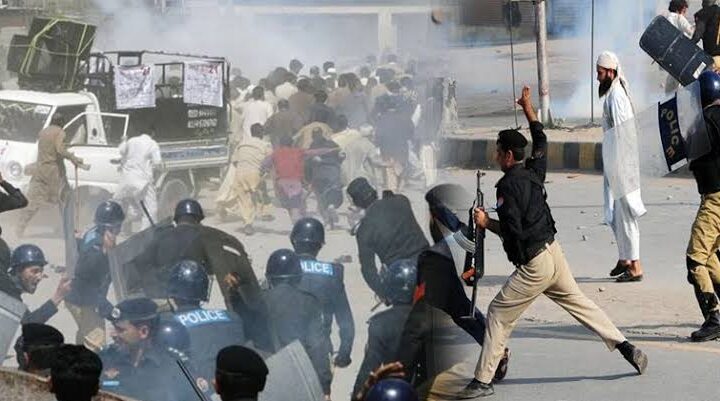
Syed Showket Pakistan-occupied Jammu and Kashmir (PoJK) has been burning for a long time. The continued reports of human rights violations in PoJK demand the immediate attention of civil society, elected representatives,
Sep. 30, 2026

Understanding women’s empowerment

Darakshan Hassan Bhat Discussing women’s empowerment is a long-pending issue that civilized societies are dealing with. We often discuss women’s empowerment in terms of education, employment, political participation, leadership, and representation. However,
Sep. 29, 2026

BRICS 2026: India hosts a defining summit for the Global South

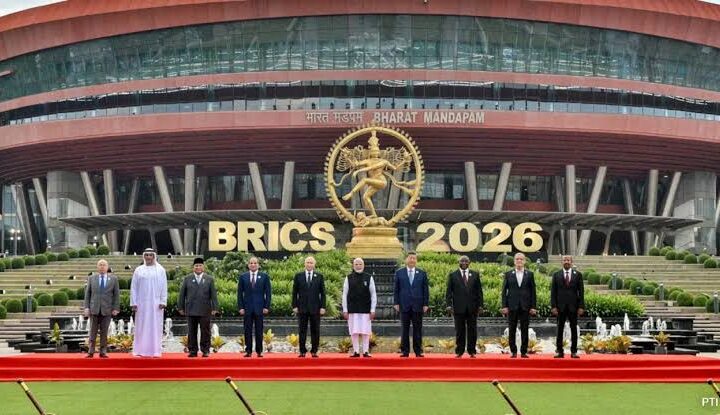
Sheikh Nazir Mehdi                                                                                                                           The 18th BRICS Summit, held in New Delhi on 12 and 13 September 2026, has given fresh importance to a grouping that has grown far beyond its original identity.
Sep. 16, 2026

Indus Water Treaty

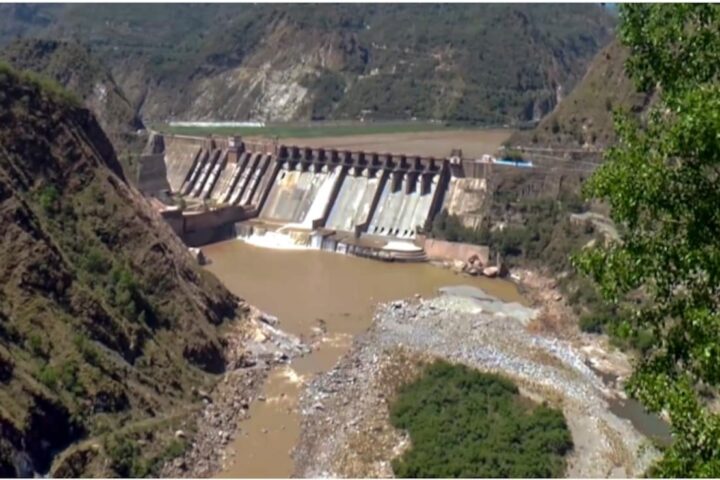
Syed Showkat Indus Water Treaty was brokered by the World Bank in 1960 after years of negotiations. The treaty divided the six rivers of the Indus system between the two countries. The eastern
Sep. 15, 2026
1 2 3 … 270