

Syed Aaliya
Tourism is one of the main sources of income and employment in Kashmir. It requires no introduction that Kashmir is blessed with immense natural beauty and is often called heaven on earth. Over the years, tourism has taken a rapid turn towards growth, with the number of tourists visiting Kashmir increasing with each passing year. Although this growth brings new opportunities, it also brings responsibilities. The real challenge is to make sure that tourism continues to grow and flourish while Kashmir’s environment, culture, and natural beauty are protected.
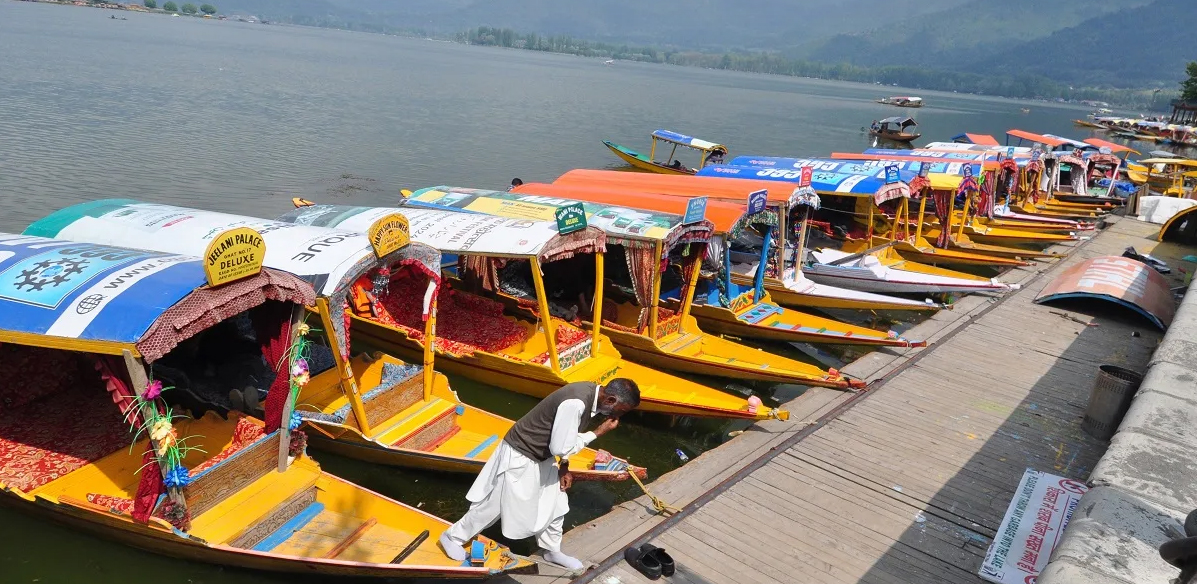
Specifically for Kashmir, tourism is not only about visitors. It is also about livelihoods. Thousands of people are directly or indirectly connected with tourism. Hotel workers, taxi drivers, shopkeepers, guides, restaurant owners, houseboat operators, handicraft sellers, and many others depend on visitors. When tourism increases, these people get more opportunities to earn. For many young people, it can also create new employment opportunities.
Over the years, the dynamics of tourism have taken a new shape. Border tourism, remote tourism, adventure tours, camping and hiking have become increasingly common in Kashmir. At the same time, the opening of new tourist destinations such as Bungus, Gurez, Keran and Machil has attracted a large number of visitors, both domestic and international. This growing interest has created new aspirations among the people of the Valley, especially among young people who see tourism as a source of employment and economic opportunity.
However, this growth has also brought greater responsibilities to ensure that these destinations are developed and managed responsibly while protecting Kashmir’s ecology. The growth in tourism has created immense employment opportunities. A family can run a homestay, sell local handicraft,s or provide food to visitors. Young people can work as guides or start small travel businesses. These may look like small activities, but together they form an important part of the local economy. Tourism can therefore give ordinary families an opportunity to become part of the valley’s economic growth.
A shopkeeper or retailer in Gurez or Keran who once earned around ₹1,000 a day may now earn ₹2,000. A shawl seller who used to sell eight shawls a day may now sell 15, while a dry fruit seller who once sold 20 kg may now sell 50 kg. Pony operators may also see their number of customers increase with the growing tourist footfall. Border areas such as Karnah, Keran and Gurez, which were once largely untouched by tourism, are now witnessing a significant rush of visitors. The benefits are reaching local shopkeepers, tent operators, pony riders, restaurants and other small businesses. This has created new aspirations among local people to connect themselves with tourism and the hospitality industry, opening new avenues for employment, business and economic growth.
But rising tourism also means that Kashmir has to be careful about how this growth is managed. The natural environment is one of Kashmir’s biggest strengths, but it is also sensitive. Lakes, rivers, forests and mountains can easily be affected by waste, traffic and unplanned construction. A beautiful tourist destination can lose its charm if it becomes overcrowded or polluted.
However, having said that, with the increase in tourism, although it brings good fortune to the region, it also places greater responsibility on both hosts and guests. Kashmir’s environment and ecology are fragile and should be protected at all costs. Tourism should not make daily life difficult for people living in these areas. Traffic, overcrowding, waste, and uncontrolled construction can affect residents as much as they affect tourists. Development therefore needs to find a balance between welcoming visitors and maintaining a comfortable life for local communities. Destinations should not be polluted, and construction should be environmentally friendly.
The nature and ecology of Kashmir should be respected, and eco-friendly and sustainable tourism should be promoted. Campaigns and awareness programmes should encourage environmentally friendly tourism, while civic sense among both locals and tourists should be promoted. Clear guidelines on how to explore Kashmir’s destinations responsibly should be made public, and heavy fines for violations should be imposed. Highly sensitive destinations should be treated with extra care because of their ecological importance, and overcrowding in such places should be avoided. Local communities should also be involved in protecting these destinations, as they have a direct stake in preserving their surroundings. Tourism should be seen not only as a source of income but also as a shared responsibility to protect Kashmir for future generations. The government and local administrations have made significant efforts to promote eco-friendly and sustainable tourism in Kashmir, but much still needs to be done.
Tourism not only brings money and livelihoods, but also responsibility and obligation. What becomes a source of joy and income for us is also our duty to protect, value, and cherish for generations to come. The more we respect nature, the more it benefits us in countless ways. Kashmir’s nature is its greatest strength, and it can continue to support tourism and livelihoods only if it is treated with the respect it deserves.
(The author can be reached at aaliyasyed119@gmail.com)