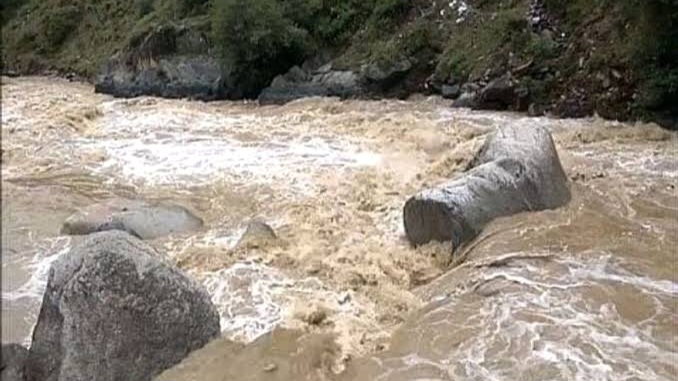
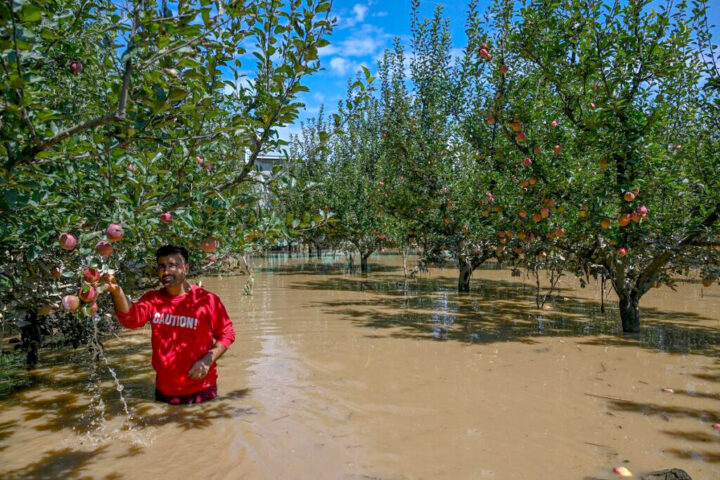
In the aftermath of the Kishtwar disaster, tragedy struck Kathua district on Sunday, where seven people lost their lives and 11 others were injured in two separate incidents of flash floods triggered by a cloudburst and rain-induced landslides in Jodh Khad and Bagra village of Janglot. Heavy overnight rainfall that lashed Kathua and several other parts of Jammu division damaged key infrastructure and disrupted connectivity to many villages, including those worst affected by floods and landslides. Only a few days earlier on Thursday, more than 60 people, most of them pilgrims, had died in flash floods on the Machail Mata Yatra route at Chasoti village in Kishtwar district. That tragedy too was the result of a cloudburst, a phenomenon that experts say is becoming increasingly common in the union territory because of changing climate conditions. In response to the Kathua calamity, Chief Minister Omar Abdullah expressed deep sorrow over the loss of lives and the scale of damage in Jodh Khad, Juthana and adjoining areas. He conveyed condolences to the bereaved families, wished a speedy recovery to the injured, and assured that immediate assistance would be provided. The Chief Minister announced ex-gratia relief from his relief fund, in addition to support from the State Disaster Response Fund. Families of those who lost their lives will receive Rs. 2 lakh, while those severely injured will get Rs. 1 lakh, and Rs. 50,000 will be given to those with minor injuries. For housing damages, the compensation announced includes Rs. 1 lakh for fully destroyed homes, Rs. 50,000 for severely damaged houses, and Rs. 25,000 for partially damaged ones. While immediate aid and rescue operations are necessary, experts and community leaders stress that long-term measures are equally essential to safeguard lives and livelihoods in disaster-prone areas like Kathua, Kishtwar and others. Strengthening early warning systems for cloudbursts and flash floods, backed by modern meteorological tools and community-based alert networks, is considered a priority. The establishment of dedicated relief shelters in vulnerable zones, equipped with essential supplies, could provide safer options for evacuation during emergencies. Improvement of rural infrastructure, particularly the construction of stronger roads, bridges, and flood-resistant housing, is another measure that could reduce the impact of such disasters. Regular desilting of rivers and streams, coupled with afforestation drives in catchment areas, would help minimise the intensity of flash floods and landslides. Experts also recommend stricter enforcement of land-use planning, discouraging construction in high-risk floodplains and landslide-prone slopes. Also, there is a need to regulate footfalls into environmentally sensitive locations, vis-à-vis pilgrim tourism, trekking and off-roading activities in Jammu and Kashmir. Equally important is sustained investment in community awareness and disaster preparedness. Training programmes that educate local residents on evacuation protocols, first aid, and coordination with disaster response teams can significantly reduce casualties. In addition, the integration of disaster management into school curriculums and local governance plans would ensure that preparedness is not treated as a seasonal concern but as an ongoing responsibility.
Rising Peril