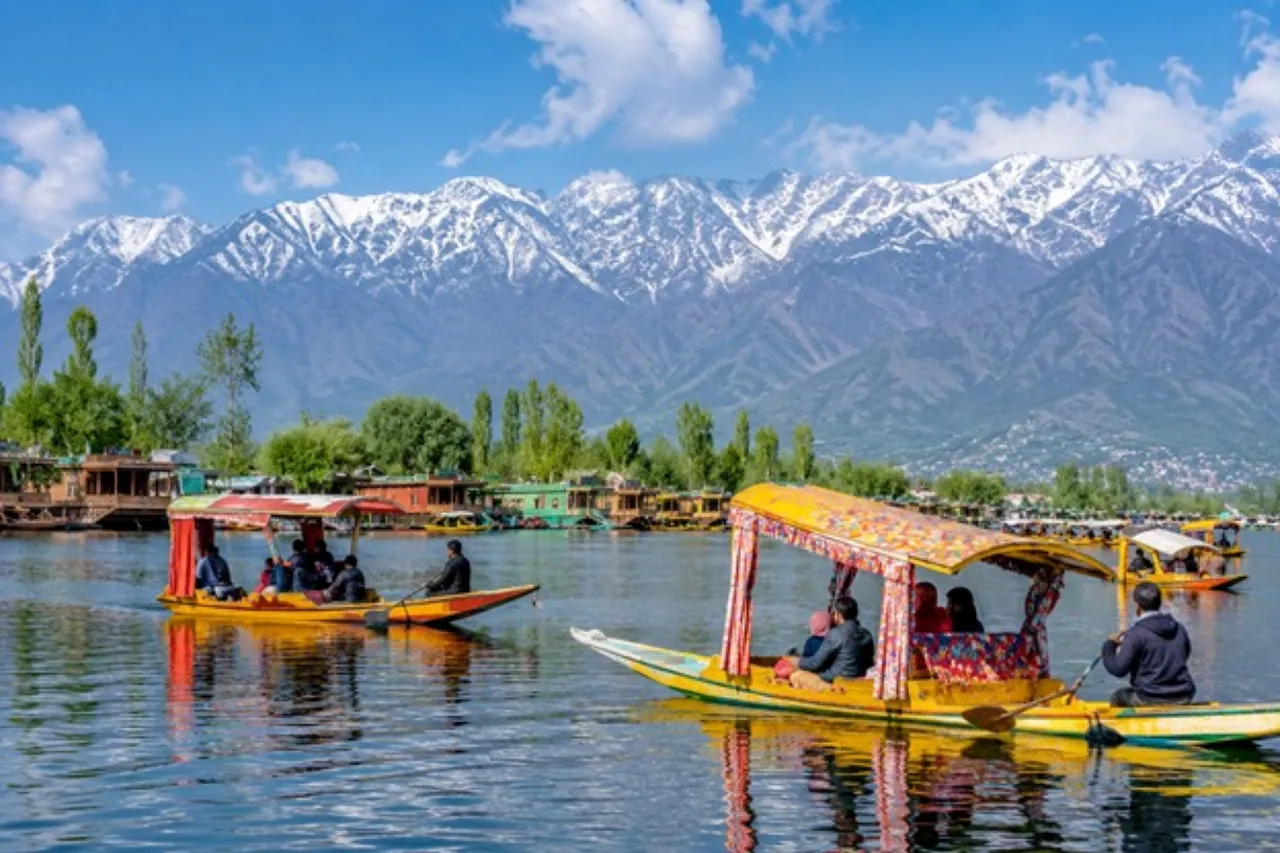
Kashmir Valley has always attracted tourists from all over, but the autumn months are considered a ‘lean period’. While footfalls remained high during the summer months, the challenge is to transform tourism into a sustainable, year-round economy. The B2B Networking Evening organised as part of IITM Mumbai provided Jammu and Kashmir Tourism an opportunity to engage directly with travel trade professionals, tourism operators and potential business partners. The presentations by the J&K team highlighted the Union Territory’s established attractions as well as emerging destinations. Such interactions are important because tourism promotion today requires more than attractive publicity material. It demands sustained engagement with the travel industry, better connectivity with markets and the creation of experiences that encourage visitors to explore beyond familiar destinations. Kashmir has traditionally enjoyed a strong position on India’s tourism map. However, dependence on a limited number of popular destinations can place pressure on local infrastructure while leaving several tourism-rich areas underdeveloped. There is considerable scope to promote offbeat destinations and distribute tourist traffic across different regions. This would not only improve the visitor experience but also create livelihood opportunities for communities that have remained outside the mainstream tourism economy. The Jammu region, too, has enormous potential. The Surinsar-Mansar lakes, Patnitop, Bhaderwah, Kishtwar and several religious and heritage destinations can become important components of a broader tourism circuit. Developing these places requires planned infrastructure, effective marketing, improved road connectivity, accommodation facilities and trained local service providers. Tourism authorities must ensure that promotion is supported by facilities on the ground. The presentation of the Kashmir Marathon as an important addition to the tourism calendar is another encouraging development. Sports tourism is emerging as a valuable segment of the global travel industry. Marathons, cycling events, adventure competitions and other sporting activities can attract visitors beyond the conventional holiday season. Such events also provide opportunities to showcase local culture, hospitality and landscapes to national and international audiences. At the same time, tourism development must remain environmentally responsible. Jammu and Kashmir’s fragile mountain ecosystem cannot sustain unplanned construction, excessive tourist pressure and indiscriminate commercialisation. Popular destinations are already facing challenges related to waste management, traffic congestion, water availability and pressure on natural resources. Expanding tourism to new areas should, therefore, go hand in hand with carrying-capacity assessments, scientific planning, waste management and the protection of forests, water bodies and biodiversity. Sustainable tourism must become the foundation of the sector’s expansion. The interest shown by travel trade professionals at the Mumbai event is encouraging. Their suggestions and business enquiries can help identify new markets and partnerships. The Tourism Department must follow up these interactions with concrete initiatives, regular promotional campaigns and closer coordination with private stakeholders. Local entrepreneurs, homestay operators, transport providers, guides and artisans should also be integrated into the tourism value chain. The exercise must translate into lasting partnerships, new tourist circuits and tangible economic opportunities. Local stakeholders, too, should offer attractive and economical packages to tourists so that the tourism boom continues during the autumn months.
Year-round Opportunity