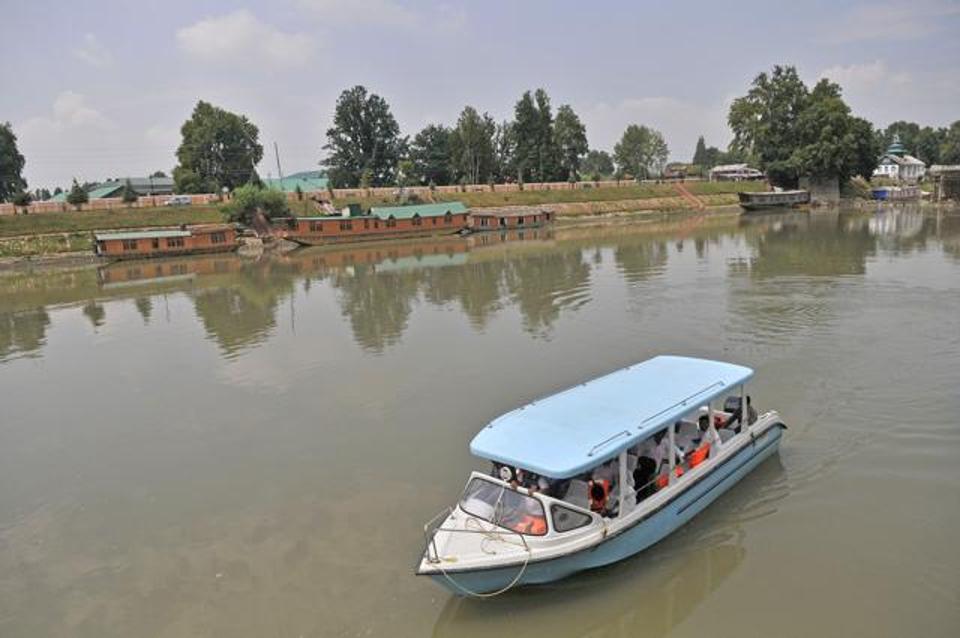
Rivers and lakes were once important transport routes in Jammu and Kashmir. The Jhelum connected communities and supported movement of people and goods. Local lakes also played an important role in daily life. That tradition gradually declined. By the late 1970s, regular water transport had slowed considerably as road infrastructure expanded. Today, it is time to look at waterways again. Urban water transport can offer an important alternative to congested roads. The experience of Kochi Water Metro is particularly relevant. It has provided an alternative mode of transport while also becoming a tourism attraction. Srinagar has many of the natural advantages needed for a similar system. The Jhelum and Dal Lake already form part of the city’s identity. A properly planned water transport network could therefore serve both commuters and tourists. Kochi Water Metro Limited last year submitted a feasibility report for a water transport system on the Jhelum and Dal Lake. The report followed visits to Kashmir and offers an opportunity to develop a modern, sustainable transport model suited to Srinagar. The proposal, however, must not remain confined to reports and meetings. The J&K administration recently reviewed plans for inland water transport on the Jhelum and Chenab yet again. Officials have identified a 106-km cruise corridor on the Jhelum, from Sangam to Gund Prang. Eleven terminal locations have also been identified. On paper, the plan is encouraging. But implementation will determine its success. Several obstacles still need to be removed. Local coffer dams are among the major impediments to uninterrupted navigation. The Public Works Department has been tasked with removing 52 such structures. So far, 18 have reportedly been cleared. This pace needs to improve considerably. The Government has rightly stressed time-bound completion of terminals, access facilities and navigation arrangements. Such directions must now translate into action on the ground. The procurement of 10 hybrid eco-vessels, each with a capacity of 20 passengers, is another positive step. Their scheduled delivery by March 2027 provides a clear timeline. But vessels alone will not create a successful water transport system. Terminals must be accessible. Roads and public transport must connect them with residential and commercial areas. Navigation channels must remain clear. Safety standards must be strict. Most importantly, water transport should be integrated with buses and other public transport systems. The environmental benefits are also significant. Shifting even a portion of daily commuters from roads to waterways can reduce congestion and fuel consumption. Cleaner vessels can further reduce the environmental footprint. Tourism can gain as well from the proposal. River cruises and passenger ferries can create new experiences while supporting businesses along the waterfront. Yet the Government must avoid treating the project merely as a tourism initiative. Its larger value lies in creating a practical public transport option. Jammu and Kashmir cannot afford another project that remains stuck at the review stage. Review meetings are necessary, but they are not the final objective. The J&K administration now needs to move beyond repeated reviews and expedite the work.
Waterway Push