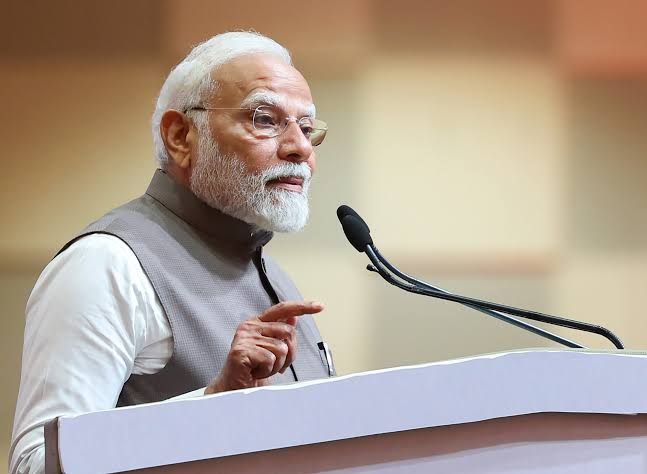
Terrorism remains one of the biggest threats to peace. It does not respect borders. It does not recognise geography. Its impact can reach far beyond the place where an attack takes place. Prime Minister Narendra Modi’s message at the Shanghai Cooperation Organisation summit deserves serious attention. He called for a united and sustained fight against terrorism. More importantly, he argued that the response cannot remain limited to reacting after an attack. This is a crucial point. Terror networks are not built overnight. They depend on money, recruitment, radicalisation and safe havens. They also rely on propaganda and support structures. Breaking only one link is not enough. The entire ecosystem must be dismantled. Terror financing is particularly important. Without money, organisations cannot recruit, train or operate. Financial networks must therefore be tracked and blocked. Countries must strengthen intelligence sharing. Law-enforcement agencies must work across borders. Recruitment is another major challenge. Young people are often targeted through extremist propaganda. Social media and encrypted platforms can make this process harder to detect. Counter-radicalisation efforts must therefore become stronger. Safe havens are equally dangerous. Terrorists cannot operate for long without support or shelter. The international community must make it clear that providing refuge to terrorists carries consequences. Modi also raised the issue of double standards. This has been a longstanding problem in the global fight against terrorism. Terrorism cannot be condemned selectively. There cannot be one definition for terrorism in one region and another elsewhere. A terrorist act remains a terrorist act. Political interests cannot be allowed to dilute this principle. Nations must judge terrorism by the violence and destruction it causes, rather than by who carries it out or where it happens. The security situation in Afghanistan also remains important for the wider region. Instability there can create space for extremist groups and criminal networks. Regional countries therefore have a shared interest in preventing Afghanistan from becoming a source of insecurity. Drug trafficking is another concern. The drug trade can finance organised crime and extremist networks. It also destroys lives and particularly threatens young people. Combating narcotics must therefore be part of the broader security agenda. The SCO can play an important role in this effort. Its security mechanisms can help improve intelligence sharing. But declarations alone will not be enough. Cooperation must produce timely action. India’s approach of Security, Connectivity and Opportunity offers a wider framework. Development cannot flourish without security. Connectivity cannot remain safe without stability. Economic opportunity cannot reach ordinary people when violence dominates society. The fight against terrorism is therefore not only a military or security issue. It is also a fight for development, education and social stability. The SCO represents a large part of Eurasia. Its members have different histories and political systems. Yet they share an interest in peace. The message from Bishkek should therefore be clear. Terrorism must have no political justification. Its financing must be stopped. Its recruitment networks must be broken. Its safe havens must disappear. A united response is not merely desirable. It is essential.
United Response