

Kaif
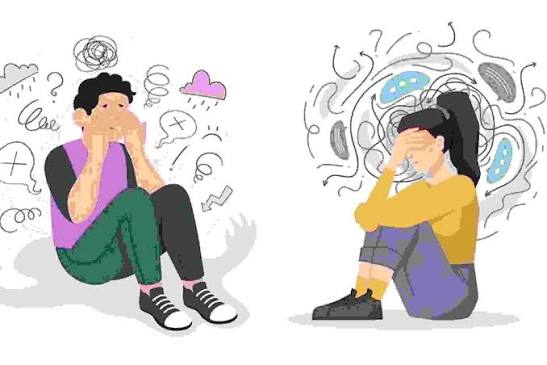
Some people laugh the loudest in crowded rooms and still return home feeling unbearably alone. Mental health remains one of the most misunderstood and neglected aspects of human life, despite living in an age that constantly speaks of progress, awareness, and connection. Conversations about anxiety, depression, trauma, loneliness, and emotional exhaustion have certainly become more noticeable than before, yet silence still dominates countless lives. Many people continue to suffer quietly, carrying invisible and untold burdens behind ordinary smiles, academic achievements, careers, and social interactions. For them, silence feels safer than vulnerability.
The fear surrounding mental health discussions is deeply grounded in social attitudes. In many communities, emotional suffering is still mistaken for weakness, attention-seeking, instability, or even ingratitude. Individuals struggling internally are often told to “stay strong,” “stop overthinking,” or simply “move on.” Such responses invalidate genuine pain and force people to suppress emotions instead of understanding them. As a consequence, silence becomes a survival mechanism. People start considering that hiding their struggles is easier than risking judgment, rejection, or misunderstanding.
The culture of silence surrounding mental health is particularly harmful because psychological pain is rarely apparent. In contrast, physical injuries are observable, but emotional suffering does not always leave obvious marks. A person may appear successful, cheerful, productive, or socially active while internally battling severe anxiety, burnout, depression, or self-doubt. Society often associates mental illness with dramatic outward behaviour, failing to recognise quieter forms of suffering. Subsequently, many individuals convince themselves that their pain is “not serious enough” to deserve support.
Youth especially experience this conflict immensely. Students today live under enormous academic, social, and emotional pressure. Expectations regarding success, appearance, productivity, and future stability continue to escalate, while emotional support systems often remain fragile. Social media further intensifies this crisis by creating unrealistic standards of happiness and perfection. People incessantly compare their private struggles with the carefully curated public lives of others. This comparison breeds insecurity, inadequacy, and loneliness, yet many remain silent because vulnerability online is frequently mocked, dismissed, or exploited.
Another cause of silence is the fear of becoming a burden. Many individuals avoid discussing their mental health because they do not wish to worry family members or appear emotionally dependent. They apologise for expressing sadness, minimise their suffering, and internalise the belief that they must handle everything alone. Over time, emotional suppression becomes strenuous. Unrevealed emotions pile up silently, often leading to severe psychological distress, emotional numbness, or breakdowns.
Societal and generational attitudes also contribute greatly to this silence. In many households, mental health conversations were historically absent, and talking about them was considered a stereotype. Older generations often survived through endurance rather than emotional expression, and this mentality continues to influence younger people. Seeking therapy or discussing emotional struggles may still be viewed as shameful or unnecessary in certain environments. Subsequently, many individuals grow up without the emotional vocabulary to articulate their feelings. They learn how to hide pain rather than process it.
However, silence does not end suffering; it merely conceals it. Neglected emotional pain habitually resurfaces in different forms, such as anger, withdrawal, insomnia, addiction, chronic stress, or self-destructive behaviour. Mental health struggles affect relationships, academic performance, physical wellbeing, and overall quality of life. The longer silence remains in the nooks and corners of life, the heavier isolation becomes. Human beings are not created to tolerate emotional suffering entirely alone.
Breaking the shackles of silence around mental health requires more than temporary awareness campaigns or symbolic gestures. It requires actual alteration and transformation in how society perceives vulnerability. Emotional openness should not be treated as frailty but should be recognised as courage. Asking for help should not invite shame but support. Educational institutions, workplaces, families, and communities must create environments where individuals feel emotionally safe rather than emotionally judged.
Listening also plays a salient role in changing this culture. People do not always seek perfect advice; sometimes they simply look for understanding. Sometimes the most meaningful support comes from simple acts of patience, empathy, and presence. We must allow affected individuals to speak without interruption, ridicule, or dismissal, and this itself can become recuperative. Compassionate listening reminds individuals that their emotions are valid and that they are not alone in their struggles.
Simultaneously, professional mental health support must become more approachable and normalised. Therapy, counselling, and psychiatric care should be viewed as legitimate forms of healthcare rather than sources of embarrassment or ingratitude. Just as physical illnesses need treatment, emotional and psychological difficulties also deserve attention and care. Regularising and normalising mental healthcare can motivate more individuals to seek help before reaching emotional breaking points or crises.
Ultimately, the silence surrounding mental health reflects a wider fear of vulnerability within society. People are taught to appear unruffled even when psychologically strained. However, true strength does not lie in internalising pain indefinitely; it lies in accepting the complexities of humanity. Vulnerability fosters connection, understanding, and reconciliation where silence once existed.
The dialogue around mental health must therefore persist with authenticity and sincerity rather than pretence. Behind countless quiet smiles are individuals facing unspoken hardships every day. Some remain speechless because they fear judgment and societal stigma, while others remain silent because they no longer believe anyone would understand them. Forming a benevolent and sympathetic society begins by changing this reality. When people feel sheltered and reassured enough to speak without apprehension, silence progressively loses its power, and emotional recovery becomes attainable.
Obscured behind poised smiles, soundless turmoil reside,
Hearts grapple with unseen struggles they relentlessly hide.
Not every wound leaves a visible scar,
Some screams and suffering exist where no voices are.
Yet when compassion displaces judgement and fear,
Even the muted soul finds resilience to appear.
(The author is a psychology student at Government College for Women, M.A. Road.)