

Mauzam Bakshi
Every morning in Kashmir is born from a song. Before the sun has poured its first gold over the shoulders of the mountains, before a single footstep has bruised the hush of a village lane, one small voice rises out of the dark like a thread of light. It travels through the cool, silvered air, drifts over an orchard still draped in the night’s dew and slips into courtyards where windows are opening, one by one, like eyelids. Another voice answers from a nearby bough. Wings stir beneath the eaves of an old house, soft as a breath let go. Beyond the fields, a call unfurls from the murmur of a stream and the Valley, slowly, tenderly, almost without our knowing, wakes.
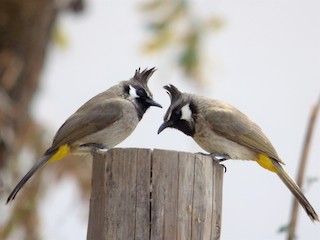
This is one of Kashmir’s gentlest blessings. It does not announce itself. It cannot be weighed against the grandeur of the mountains or the shimmering splendour of the lakes. It asks for no notice, no applause. It simply is, in the bulbul pouring its heart out from an apple bough, the sparrow searching for grain beneath a window, the magpie crossing a sunlit courtyard like a flicker of dark silk, the kingfisher keeping its patient vigil above the water, a small blue flame holding still. For generations, birds have been the quiet poetry of our days. Their calls have walked beside the turning seasons like old companions. Their wings have heralded the coming of far-travelled guests. Their nests have turned plain trees and weathered rooftops into small sanctuaries of wonder. They belong to this land as deeply as the chinar, the springs and the rivers, as though the Valley had been composed with them in mind, the way a melody is written for its singer.
Perhaps we have grown so used to this tenderness that we have forgotten its worth. We have looked upon birds without truly seeing them and heard their songs without pausing to wonder at the fragile world that lets those songs be born. Yet to know Kashmir is to know its birds. To love the Valley is to understand that their fate is woven into our own, thread through thread, like the pattern in a shawl.
The birdlife of Kashmir is as many-coloured as the land that holds it. Snow-crowned peaks, dark and fragrant forests of conifers, alpine meadows trembling with bloom, rivers and lakes, whispering marshes, orchards heavy with blossom and fields burning gold in the sun, together they open a home to a gathering of winged souls. A 2024 checklist published in Indian BIRDS recorded 592 bird species across the region of Jammu and Kashmir, a glimpse of the wealth placed so quietly in our keeping. But this richness is more than a number. Every species has its place in the living order of nature. Some carry seeds across the hills like small prayers. Some feed on insects. Some wake the flowers by pollinating them. Some sustain the unseen bonds that keep a habitat breathing. Their presence is a gentle testimony to the health of the places they call home. A wetland alive with wings, a forest trembling with calls, an orchard where countless creatures find food and shelter, each is more than a lovely sight. It is a landscape at its sacred work, the delicate labour of life itself.
Nowhere does this bond shine more magnificently than in the Valley’s wetlands. Hokersar, Wular, Hygam and Shallabugh are not merely stretches of water and reed. They are living sanctuaries, cradles of mirrored sky, where resident birds find refuge and migrants arrive after journeys that span countries and continents. When these winged travellers descend upon the water, Kashmir becomes a verse in a far greater story. Birds on the Central Asian Flyway find feeding grounds and resting places here, binding the Valley to distant lands and reminding us that nature knows no borders. A bird afloat on a Kashmiri wetland may have crossed mountains, deserts and frontiers, carried by nothing but wing and wonder, to arrive. There is something deeply moving in this yearly return. The same waters that have watched generations of Kashmiris grow old still open their arms to travellers whose journeys are older than our memories. Their arrival should fill us with gratitude and with responsibility.
Yet these sanctuaries are growing weary. Encroachment, sewage and waste, silt, altered water flows, invasive vegetation and unplanned construction have wounded many of Kashmir’s wetlands, stealing the open water, the shallow feeding grounds and the quiet reed margins that migratory birds need. The task is not merely to keep a patch of blue upon a map. It is to guard the delicate conditions that make a wetland a home.
The countryside, too, asks for our tenderness. Kashmir’s orchards, village gardens, hedgerows and cultivated fields have long offered birds a generous and varied world. Old trees gave them places to nest. Small channels of water gave them places to drink. Traditional houses kept little hollows beneath their roofs, where sparrows could build, as if the walls themselves were leaning in to welcome them. A sparrow entering a home may seem an ordinary thing, yet it carries a rare intimacy. It carries the wild into the warmth of the domestic. A nest tucked into a corner, the restless fluttering of fledglings, the patient return of parents with food, these are small dramas of nature, unfolding within arm’s reach of human life. Such moments teach what no textbook can: that the natural world is not a distant thing, waiting beyond the mountains or deep inside a protected forest. It lives beside our windows, beneath our roofs, in the branches outside our doors.
But as settlements spread and the way we build is changed, these humble habitats are growing less welcoming. Modern concrete seals the cracks and cavities that sparrows once called home, while vanishing green spaces and dwindling insects take away both shelter and food. The felling of old trees, the loss of hedgerows, the paving over of gardens may each seem small. Together, they quietly erase the places where birds live. Development need not be an enemy of nature. But it must learn to make room for it.
Kashmir’s forests hold another world of winged life. From the lower woodlands to the high mountain slopes, they offer nesting grounds, feeding places and shelter to countless species, each branch a small cathedral of song. Protected landscapes such as Dachigam and Rajparian matter not only because they shelter wildlife, but because they keep safe the ecological conditions on which whole communities of species depend. Research in Rajparian Wildlife Sanctuary recorded 102 bird species across five vegetation types between 2019 and 2021. Such findings show us the richness of these habitats and remind us that conservation must be guided by patient research and steady observation, by evidence rather than assumption.
Towns and cities pose a different trial. Artificial light, noise, disturbance near nesting sites, and the shrinking of green spaces touch birds in ways we may not readily see. A city can grow taller and brighter while becoming poorer in the small natural joys that once softened urban life. Yet even here, hope can take root. Native trees along the roads, flowering plants in public gardens, greener school grounds, protected water bodies and thoughtful design can make our towns kinder to birds. A balcony with a blossoming plant, a courtyard tree left standing, a school wall shaped with a hollow for nesting- these may matter more than we imagine.
This duty does not rest on government alone. Public authorities must protect wetlands, uphold environmental safeguards, preserve forest habitats, check encroachment and support scientific monitoring. Schools and conservation organisations can help children and communities come to know their local species and what they need. Farmers can be supported in practices that do less harm to wildlife, and each of us can plant native trees, keep safe places for nests, avoid needless disturbance and keep our waters free of waste. These acts may seem modest, but conservation often begins in just such small attentions. A tree allowed to stand may become a cradle for a nest. A garden planted with native species may become a table and a shelter. A wetland spared from pollution may go on welcoming its winged guests, year after year after year. Protecting Kashmir’s birds does not ask for grand gestures. It asks that wetlands remain wet and clean, that old trees are not casually cut down, that new buildings leave room for green and for nests, and that children learn the names of the creatures who share their neighbourhoods.
There is a particular tenderness in watching a child notice a bird for the first time, the sudden stillness, the wide and curious eyes, the whispered question about its name. This is the moment when wonder begins. Let a child learn the song of the bulbul and the quick, bright movement of the magpie. Let them stand beside a winter wetland and watch travellers arrive from faraway lands. Let them know the thrill of finding a nest in an orchard and the wonder of watching a kingfisher fall like a jewel into clear water. These are not small gifts. They are the first threads of a lifelong love for the natural world. If we teach children to know the birds around them, to understand their journeys and honour their homes, we give them more than knowledge. We give them a sense of belonging to a world far larger than themselves. We also win back something modern life has made us forget: that creation is not ours to possess, but a trust placed gently in our hands. A bird’s beauty does not grow because we own it, nor does its life matter less because it is small. Its song, like the murmur of a spring or the movement of a river, is part of a balance that existed long before us and deserves to go on long after us.
Kashmir still holds the landscapes, the knowledge and the human strength to guard this inheritance. Its wetlands can be restored, its forests protected, its orchards made kinder to wildlife and its growing settlements planned with greater tenderness. Science can light the way for conservation, while local memory helps us recognise what has changed and what still survives. None of this is beyond reach. It asks for commitment, patience and the understanding that protecting nature is not a barrier to development but the foundation of a healthier and more meaningful future.
We cannot know what Kashmir will look like a hundred years from now. Its villages may change, its towns may grow, and its people may live in ways we cannot yet imagine. But some things should remain unchanged. A sparrow should still be able to find its way beneath a rooftop. A bulbul should still sing from an apple tree after the rain. The winter wetlands should still receive their winged visitors and the forests should still answer the morning with the voices of their children. Perhaps the measure of our progress will not be found only in the roads we widen, the buildings we raise or the distances we shorten. It will be found, too, in whether a bird can still find a tree to nest in, whether a wetland can still welcome its winter guests, and whether dawn can still begin with a song.
For a Valley so richly blessed, protecting its birds is not merely an environmental duty. It is an act of gratitude for the beauty we inherited, for the life that surrounds us, and for the generations yet to come, and when another Kashmiri morning opens beneath the mountains, may the first voice to greet it still belong to a bird.