

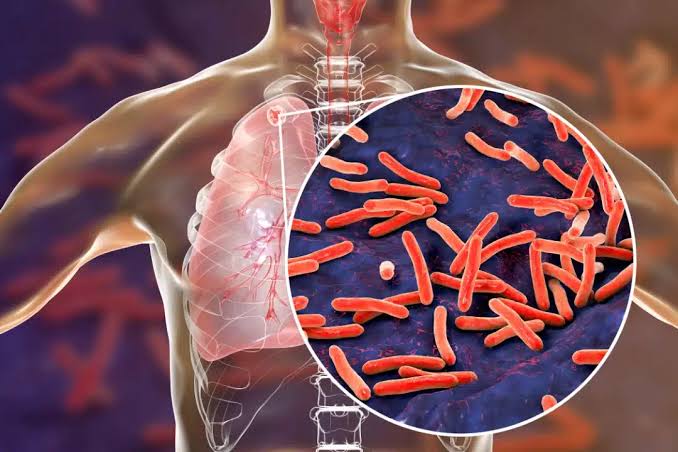
India has reported 38 per cent reduction in tuberculosis (TB) mortality since 2015. The decline, higher than the global reduction of 35 per cent, points to the impact of sustained efforts in early detection, timely treatment and wider access to healthcare. The 94 per cent treatment success rate among patients with drug-susceptible TB is another encouraging indicator. These figures, highlighted in the World Health Organization’s Global Tuberculosis Report 2026, show that India is making progress. Therefore, the larger goal of eliminating TB will require continued efforts.
TB remains a serious public health concern. The challenge is particularly difficult among vulnerable communities, where poverty, malnutrition, overcrowding and limited access to medical facilities can delay diagnosis and treatment. Jammu and Kashmir’s experience highlights both the progress made and the challenges that remain. According to data submitted to Parliament, J&K reported 12,200 TB cases in 2024, while 12,554 cases were notified during January-October 2025. These are notification figures and should not be interpreted as a direct increase in disease incidence. Nevertheless, the numbers underline the need for sustained surveillance, early diagnosis and effective treatment across the Union Territory. There have been encouraging efforts at the grassroots level. During a review of the TB Mukt Bharat Abhiyaan in August 2025, the J&K administration was informed that around 5.25 lakh people had been screened in 2024 and another 2.59 lakh in 2025 up to that point. As many as 7,891 patients were undergoing treatment, while 6,618 had been linked with Ni-kshay Mitras for additional support. The number of registered Ni-kshay Mitras in the Union Territory had reached 6,728. These figures reflect the importance of community participation in supporting patients and strengthening the public healthcare response. The difficulties of reaching remote and mountainous areas make targeted interventions particularly important in J&K. A notable example is the screening campaign conducted in Gurez valley of Bandipora district, where National TB Elimination Programme teams screened 1,250 people in three days using mobile testing vans, portable X-ray equipment and advanced diagnostic facilities. More than 250 potential cases were identified for further testing. Such initiatives demonstrate how mobile healthcare services can help bridge geographical barriers and take diagnosis to communities that may otherwise remain underserved. India’s National TB Elimination Programme has expanded its focus beyond treating patients who approach hospitals. Active case finding, AI-enabled chest X-rays, rapid molecular diagnostic tests and targeted screening have helped identify infections at an earlier stage. The TB Mukt Bharat Abhiyaan has further strengthened this approach by taking screening services to communities and vulnerable populations. For Jammu and Kashmir, strengthening this infrastructure should remain a priority. Areas such as Gurez, Karnah, Machil, Keran and other remote parts of the Union Territory require regular screening camps, mobile diagnostic units and uninterrupted supplies of medicines. Difficult terrain, winter isolation and inadequate transport facilities can make it harder for patients to access healthcare and complete treatment. Decentralising diagnostic and treatment services through local health centres can help address these barriers.