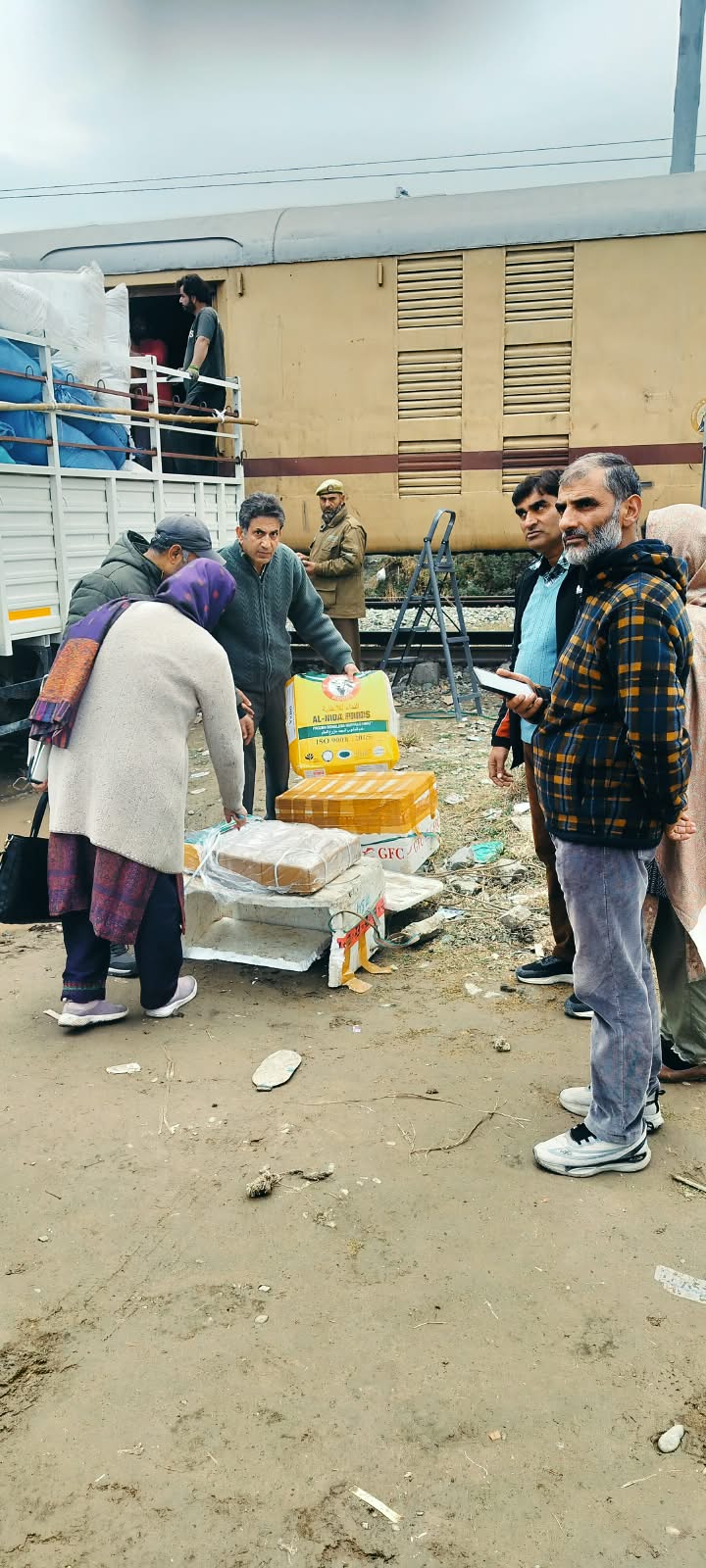

The seizure and destruction of buffalo meat at Budgam Railway Station last week is a disturbing reminder that food safety continues to remain a serious public health concern in Jammu and Kashmir. The recovery is particularly worrying because it comes after a major controversy over rotten, decomposed and unlabelled meat in Kashmir last year. Despite enforcement drives and assurances of strict action, the recurrence of such incidents raises questions about the effectiveness of the existing monitoring system and the safeguards in place to prevent unsafe food from reaching consumers. The Food and Drug Administration (FDA), J&K, in coordination with the Railway Police, railway authorities and the Budgam district administration, seized a consignment weighing around 1,600 kg, which was found without adequate refrigeration or dry-ice arrangements to maintain the prescribed transportation temperature of minus 18 degrees Celsius or below. Preliminary testing indicated that the meat was unfit for human consumption. Its seizure and destruction prevented a potentially serious public health risk. The incident should prompt a closer examination of how such a large consignment of meat could be transported without the mandatory cold-chain arrangements and proper declarations. The scale of the problem becomes clearer when viewed against previous enforcement actions. In July 2025, the recovery of rotten meat from Zakura on the outskirts of Srinagar triggered widespread concern and inspections across the Valley. Subsequent raids uncovered unsafe meat stocks at several locations and eateries. By February 2026, the government informed the Legislative Assembly that 12,183.5 kg of rotten meat had been destroyed across J&K during the 2025-26 financial year up to December 2025. The action followed 1,676 inspections, during which 2,139 kg of meat was seized. The destroyed stock was valued at more than Rs 29 lakh. These figures point to a problem that cannot be addressed through occasional raids alone. The government had also issued a prohibitory order in October 2025, banning the manufacture, storage, distribution, transportation and sale of frozen and chilled meat products that do not meet prescribed food safety standards. The order clearly specifies that frozen meat must be maintained at minus 18 degrees Celsius or below throughout storage and transportation. It also requires proper labelling, including the batch number, packing and expiry dates, storage conditions and FSSAI licence details. Temperature-monitoring devices and documentary records are equally important. Yet, the Budgam incident suggests that compliance and enforcement remain major challenges. Railway authorities, too, must ensure that consignments of perishable food are accepted only after proper documentation and verification of transportation arrangements. Police and district administrations must maintain coordination with food safety officials, while traders and suppliers must be held accountable for violations. The supply chain needs to be monitored from the point of origin to the final destination. Those involved in transporting unsafe food must face legal consequences, rather than allowing the matter to end with the seizure and destruction of a consignment. Public awareness can strengthen enforcement, but it cannot replace the government’s responsibility to protect consumers.
Sustained Vigilance