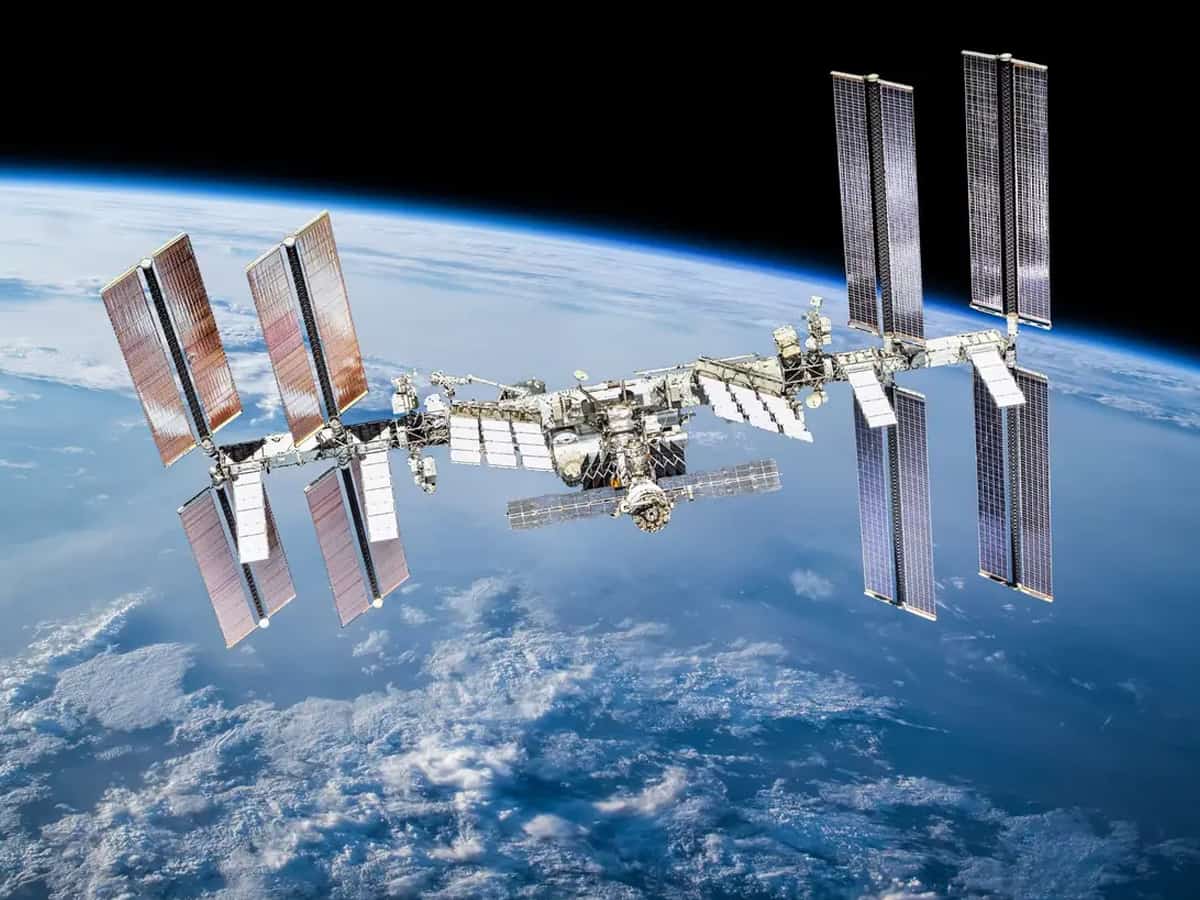
Outer space is becoming increasingly crowded. Thousands of satellites are orbiting the Earth, providing communication, navigation, weather forecasting and other essential services. The rapid expansion of space activities has also created a serious challenge. Space debris has now become a major threat to satellites, spacecraft and future missions. Defunct satellites, discarded rocket stages and fragments from collisions continue to accumulate in Earth’s orbit. Unless addressed in time, this growing problem could make space operations increasingly difficult and dangerous. Against this backdrop, India has announced a vision of achieving debris-free space by 2030 and thus made clear its ambition to become an early global player in making outer space safer and more sustainable. It also highlights the growing role of the country’s private space sector in developing advanced technologies. The inauguration of Cosmoserve Space’s Base 1 facility in Hyderabad is an important development in this direction. Spread over approximately 14,800 square feet, the facility will support the design, development, testing and operation of space robots. It houses specialised laboratories for orbital rendezvous and capture, space robotics, microgravity simulation and satellite integration. Such facilities are essential for developing technologies that can approach, capture and remove defunct objects from orbit. The company’s work on active debris removal and in-orbit servicing is particularly noteworthy. Its Mission EMBRACE, which tested soft robotic petals in space in July 2026, demonstrates the growing technological capabilities of Indian startups. Space robots could play an important role in capturing non-functional satellites, assisting spacecraft and extending the operational life of expensive space assets. However, these technologies require extensive testing and reliable systems before they can be deployed in complex orbital environments. The challenge is global and cannot be addressed by one country alone. Space debris travels at extremely high speeds, and even small fragments can cause serious damage to operational satellites. A collision can generate thousands of additional fragments, increasing the risk of further collisions. This could threaten essential services and make certain orbital regions difficult to use. International cooperation, responsible satellite operations and effective debris-management standards are therefore necessary. India’s growing space startup ecosystem provides an opportunity to contribute to this global effort. The country’s space economy is estimated at nearly USD 9 billion and is projected to grow substantially over the coming decade. The expansion of private enterprises following space sector reforms has opened new avenues for research, investment and innovation. Collaboration between startups, research institutions and ISRO can help accelerate the development of indigenous technologies. Satellite operators should be encouraged to follow responsible practices, including proper end-of-life disposal plans and measures to prevent collisions. Investment in tracking systems, space situational awareness and debris removal technologies must also increase. International partnerships will be equally important because objects in orbit do not recognise national boundaries. India’s ambition of achieving debris-free space by 2030 is a challenging goal. It will require sustained investment, scientific research and cooperation between public and private institutions. Space is a shared resource that must be protected for the generations to come.
Space Ambitions