
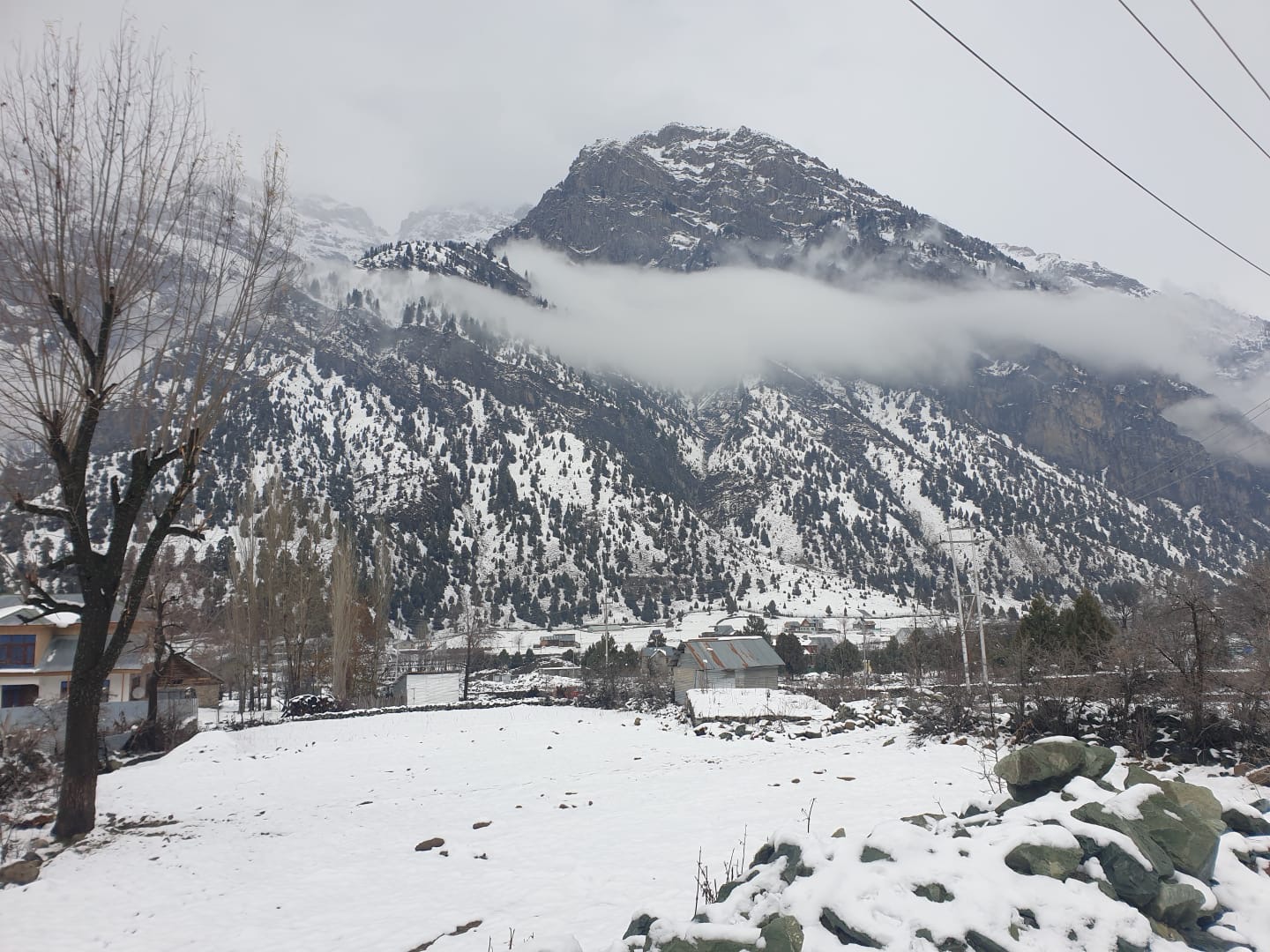
The fresh snowfall across Gulmarg and other tourist resorts has come at an important time for Kashmir valley’s winter tourism sector. It offers stakeholders an opportunity to build momentum ahead of the peak winter season, attract tourists and restore confidence among visitors who may have been discouraged by the poor snowfall of previous winters. Tourism stakeholders need a coordinated promotional campaign, better visitor facilities and alternative winter attractions so that the sector does not remain entirely dependent on snowfall. For a sector that depends heavily on winter visitors, the timing offers an opportunity to attract tourists, generate business and strengthen Kashmir’s position as a leading winter destination. However, the Tourism Department, hoteliers, travel operators, airlines, transporters and adventure sports organisations need to work together rather than depend on snowfall and word-of-mouth publicity to attract visitors. The fresh snowfall should be used as the centrepiece of an aggressive winter tourism campaign across major domestic markets. High-quality photographs, short videos and live updates from Gulmarg and other resorts should be circulated through social media, travel platforms and tourism exhibitions. Travel packages combining accommodation, transport, sightseeing and winter activities can help visitors plan their trips without uncertainty. There is already some groundwork. The Tourism Department has announced plans for skiing and snowboarding tournaments, snow races and winter events. Repairs to Gulmarg’s drag lifts have also been undertaken, with the department expecting the facility to be fully functional this season. Gulmarg should remain the main winter sports hub, while Sonamarg, Pahalgam, Doodhpathri and other suitable destinations should be promoted for their distinct winter experiences. The bigger challenge is to prepare for a winter in which snowfall may again be inadequate. Last winter exposed the vulnerability of a tourism model heavily dependent on natural snow. Delayed snowfall and poor snow conditions affected skiing and snowboarding, disrupted bookings and forced some visitors to reconsider their travel plans. Climate research has also warned that rising winter temperatures are delaying snowfall and shortening the snow season in Kashmir. The government and tourism industry must therefore develop a plan that does not depend entirely on snow. Gulmarg can continue to be promoted as the centre of winter sports, but other destinations should offer activities that remain attractive even during dry spells. Winter trekking on safe routes, mountain cycling where conditions permit, heritage tours, local food festivals, handicraft experiences, cultural programmes and wellness tourism can help maintain visitor interest. Artificial snowmaking could also be explored for selected ski slopes after proper technical, environmental and financial assessments. It should not be treated as a complete substitute for natural snowfall. Water availability, energy requirements and the ecological sensitivity of mountain areas must be considered before such projects are undertaken. Another important requirement is to improve connectivity and visitor facilities. Adequate flight operations, reliable road clearance, better public transport, parking, sanitation, heating arrangements and trained tourist guides are essential. Authorities must also ensure transparent information about snow conditions, road accessibility and the availability of adventure activities at the winter tourist spots.
Monday, November 16, 2026