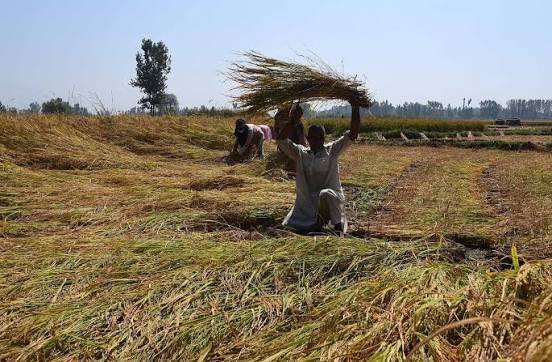
The shrinking average operational landholding in Jammu and Kashmir is a sign of a deeper change taking place in the rural economy. The average operational holding has declined from 0.595 hectares in 2015 to 0.593 hectares, or around 1.47 acres. While the change in the average figure may appear small, it needs to be viewed alongside the growing population, division of family land, urbanisation and the changing nature of agriculture. Small and fragmented holdings make farming more difficult. A farmer with limited land has less room to absorb rising input costs, weather shocks and market fluctuations. Fragmentation can also make it harder to introduce modern machinery, irrigation systems and efficient farming practices. The challenge is therefore not only the size of landholding but also how effectively small holdings can remain productive. At the same time, J&K is witnessing an important shift from traditional field crops towards horticulture. Apple and other fruit crops can provide higher returns than many conventional crops, making commercialisation a natural choice for farmers seeking better incomes. The expansion of horticulture has contributed significantly to the rural economy and should not be viewed as a negative development. The real concern is the uncontrolled loss of cultivable land and the conversion of productive agricultural land for non-agricultural purposes. The reported loss of nearly 34,000 hectares of cultivable farmland in the Valley between 1996 and 2023 deserves serious attention. Agricultural land is not easily replaceable. Once productive fields are converted into buildings or other permanent structures, restoring them to cultivation becomes extremely difficult. With urban areas expanding, the pressure on farmland is likely to increase unless land-use planning becomes more effective. The government needs a clear strategy that protects prime agricultural land while allowing farmers to diversify and improve their incomes. Land-use regulations should be enforced firmly, particularly around expanding urban centres. Cases of unauthorised conversion should be identified quickly, and legal agricultural land diversion should follow transparent planning and strict safeguards. At the same time, protecting farmland should not mean forcing farmers to continue with low-return crops. The answer lies in making small holdings more productive. Horticulture, high-value vegetables, protected cultivation, dairy, poultry and other allied activities can help farmers earn more from limited land. Better irrigation, storage, grading, processing and direct market access can further increase returns. Land fragmentation also needs attention. Farmer producer organisations, cooperatives and shared farming models can allow small farmers to pool resources without necessarily giving up individual ownership. Shared machinery, common storage, collective marketing and modern farm services can make small holdings more viable. The government should also strengthen agricultural data and regularly monitor changes in land use. District-level mapping can identify areas where farmland is under severe pressure and help authorities plan infrastructure without unnecessarily consuming productive fields. J&K cannot afford to choose between agricultural growth and development. The way forward is to protect fertile land, support profitable farming, encourage responsible horticultural expansion and ensure that urbanisation takes place through planned land use.
Shrinking Holdings