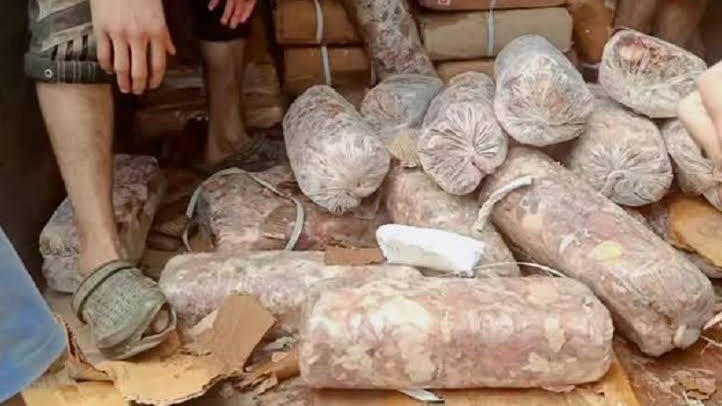
Kashmir has been gripped by a food scandal that continues to dominate public debate. Wherever people gather, the conversation turns to the discovery of rotten and unlabelled meat in the markets. The unease is so deep that many have stopped eating outside altogether, leading to a sharp decline in restaurant business. Even those eateries that had built a reputation for serving safe and hygienic food are suffering because trust has been shaken. More than 15 days have passed since authorities seized over 12,000 kilograms of decomposed meat from different locations, yet questions about how such food made its way into the market remain unanswered. People want to know how the distribution chain operates, where the meat was sourced from, and why these practices were not uncovered earlier. Until these answers are provided and a credible testing mechanism is in place, confidence will be difficult to restore. The public is particularly disturbed by the fact that, despite the scale of the seizure, only two individuals have been booked so far. This limited action has fuelled suspicions that the problem runs deeper than acknowledged. Local restaurant owners say their businesses have collapsed, with some reporting losses of nearly 80 per cent. They point to the absence of visible checks at meat markets and the lack of strict enforcement as reasons why consumers are unwilling to trust what is being sold. In homes and on the streets, people are asking why there has been no clear ban, why lab reports have not been shared, and why the government has not made its response more transparent. Public health is at risk when rotten food enters the supply chain, and silence or delay from the authorities only deepens the fear. Transparency is essential. Lab reports must be released to the public so that people know what was found in the seized meat and whether chemicals were used for preservation. Clear checkpoints and routine testing at slaughterhouses and markets would go a long way in rebuilding faith. Without these steps, suspicion will linger, and the food industry, which employs thousands and sustains many livelihoods, will continue to suffer. What is most urgently needed now is clarity, accountability, and a consistent mechanism that ensures such incidents are not repeated. Only then can trust return to both the market and the dinner table. For the long run, the government will have to work on both food safety systems and public trust. Emergency crackdowns alone won’t solve the problem if the rotten meat trade keeps resurfacing. Some steps could include: The government should set up a transparent supply chain tracking system, where every batch of meat sold in markets is tagged and traceable back to the distributor. Regular and surprise laboratory testing of meat and chicken should be made mandatory, with results publicly shared so people know what they are consuming. To prevent the circulation of unsafe products, licensed slaughterhouses and cold storage facilities need to be upgraded and monitored, reducing the dependence on shady networks.
Shady Networks