

Darakshan Hassan Bhat
Seven years have passed since the special status of Jammu and Kashmir under Article 370 was abrogated. This historic move by the Government of India on August 5, 2019, aimed to fully integrate the region into the Indian Union and remove barriers to development and governance.
Article 370 and Article 35A had long been criticized for restricting legal and constitutional equality. They prevented the implementation of many central laws protecting women, children, minorities, and weaker sections. Notably, these provisions institutionalized gender discrimination by denying women property and domicile rights if they married outside the region. Land ownership restrictions discouraged private investment and hindered job creation. Many central welfare schemes, including Ujjwala Yojana, PM Awas Yojana, Ayushman Bharat, and PM Matru Vandana Yojana, were either not fully implemented or significantly delayed.
Years of violence, frequent hartals, and curfews had given Jammu and Kashmir the image of a conflict zone. This environment stifled tourism, infrastructure development, and economic growth. The political elite, protected by Article 370, remained largely unaccountable, with limited transparency and corruption checks.
Since the abrogation, over 100 central laws, including the Right to Education Act, Domestic Violence Act, and Juvenile Justice Act, have been extended to the region. Decentralized governance through Panchayati Raj Institutions (PRIs) has been strengthened, with record voter turnout in the 2020 District Development Council (DDC) elections, especially among women and first-time voters.
Security has improved significantly. Civilian deaths in protests and stone-pelting incidents have dropped to zero in the last four years, terrorist activity has decreased by 45%, and infiltration across the border has been curtailed. Security forces now engage in community outreach programs, medical camps, and education drives, improving public cooperation and enabling investments and infrastructure development.
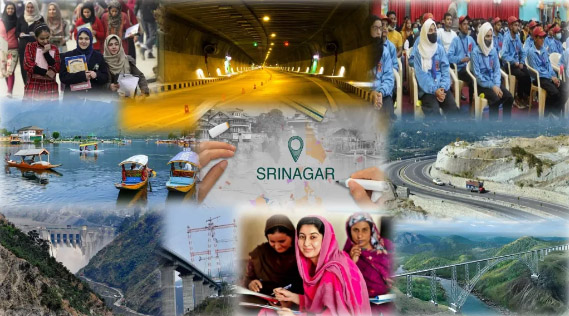
Infrastructure development has transformed connectivity, with projects like the Chenab Bridge, the world’s highest railway bridge, and the Chenani-Nashri Tunnel, India’s longest road tunnel. Over 19,000 km of roads have been constructed or upgraded. Rural electrification and improved internet connectivity have enhanced access to education, business, and governance. Internet blackouts have become rare, marking a significant shift from past disruptions.
Tourism has rebounded impressively, with over 2.1 crore tourists visiting in 2024, a record high. Previously inaccessible destinations like Gurez, Uri, and Bangus are now thriving tourist spots. The government’s promotion of homestays, heritage walks, and border tourism has empowered local women and youth, who are now actively managing travel agencies, hotels, and eco-tourism ventures.
Women’s rights have seen a historic boost. The abrogation of Article 35A ended decades of legal discrimination, granting women equal property, inheritance, and domicile rights regardless of whom they marry. Government schemes have directly benefited women, with thousands taking leadership roles in Self Help Groups (SHGs), Panchayats, and startups.
Education has stabilized after years of disruption due to political violence. Schools and colleges now operate smoothly, supported by smart classrooms, digital literacy programs, and vocational training. Scholarships under PMSSS and the Pragati Scheme have enabled many students, especially girls, to pursue higher education. Skill development initiatives have empowered over 5.5 lakh youth, with 75,000 startups launched.
Healthcare has expanded in reach and quality with Ayushman Bharat PM-JAY providing ₹5 lakh annual health coverage per family. Mobile clinics serve remote villages, and maternal and child health indicators have improved. Nutrition programs and sanitation initiatives have enhanced health outcomes, particularly in rural and tribal areas.
Youth have undergone a remarkable transformation from stone-pelters to active participants in governance and development. High youth turnout in elections, cultural events, sports tournaments, and job fairs reflects this shift. Success stories of athletes competing nationally and internationally symbolize new aspirations.
Cultural preservation remains a priority, with festivals celebrating Kashmir’s art, Sufi music, and traditional crafts. The global marketing of Pashmina, papier-mâché, and walnut woodwork has boosted artisan incomes. Local culture is now framed around pride and prosperity rather than conflict.
Financial inclusion has expanded through Jan Dhan accounts, Direct Benefit Transfers (DBTs), and rural banking, reaching remote areas. Women-headed households receive direct benefits, empowering them financially. Credit access under Mudra Yojana and Stand-Up India supports small entrepreneurs and fosters inclusive economic growth.
Jammu and Kashmir’s active participation in national and global forums, such as the G20 Tourism Working Group meeting in Srinagar, signals its restored status on the world stage. Patriotic campaigns like Har Ghar Tiranga highlight rising national sentiment, reflecting a shift from alienation to engagement.
Despite these achievements, challenges remain. Sustaining peace, reducing unemployment, and investing in health and education are ongoing priorities. Balancing development with ecological preservation, especially in tourist areas, requires careful policymaking. Preserving cultural identity while fostering integration is also crucial.
The abrogation of Article 370 was more than a legal change; it was a socio-political reset for Jammu and Kashmir. Seven years on, the region is moving from conflict to peace, from stagnation to growth, and from protest to participation. The tangible progress in governance, economic development, women’s empowerment, education, and security underscores a new chapter for Jammu and Kashmir, one defined by aspiration, achievement, and hope.
(The author can be reached at darakshanhassanbhat@gmail.com )