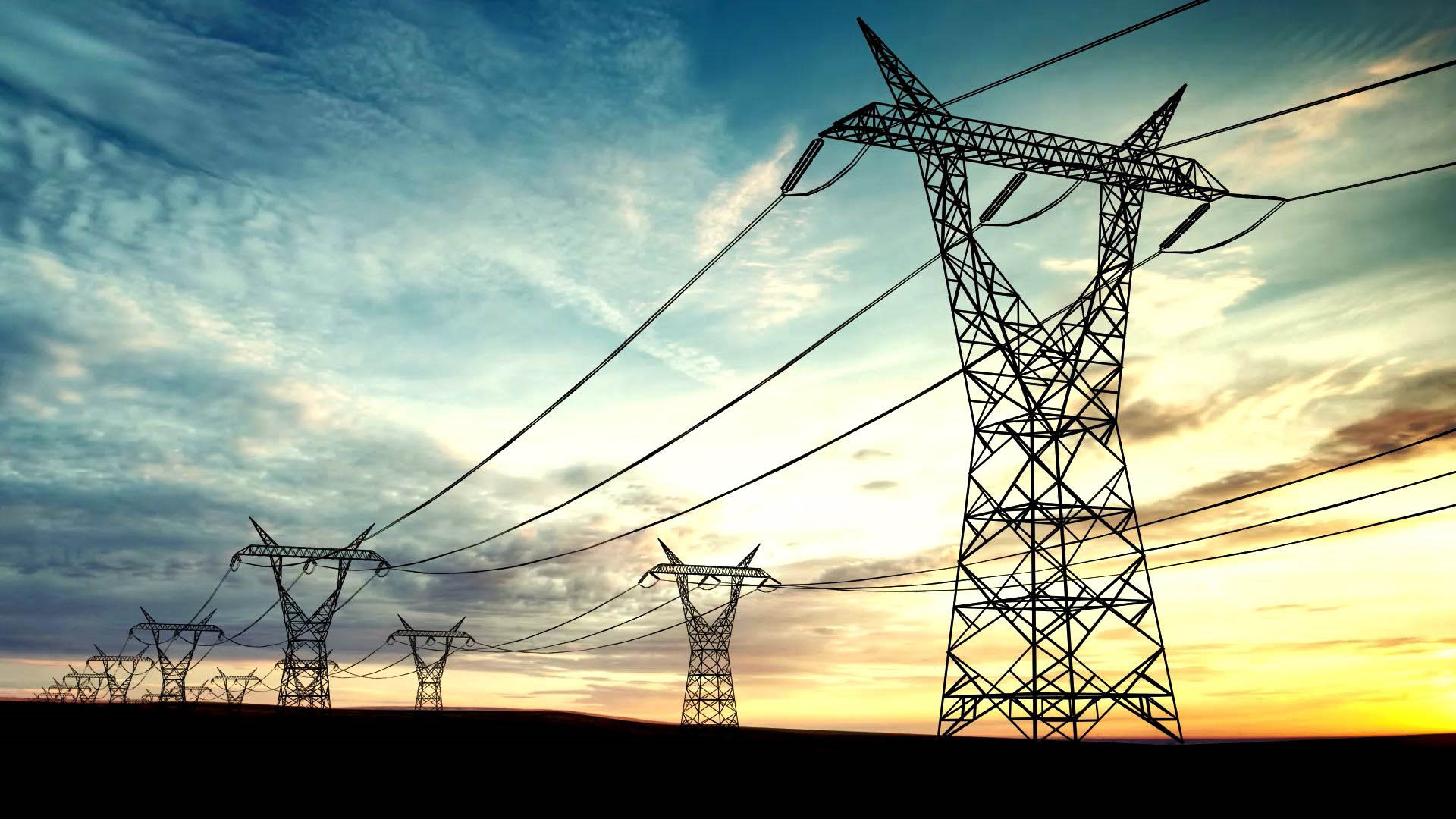
The onset of winter brings a familiar set of challenges for Kashmir. Electricity demand rises, while power shortages, unscheduled cuts and voltage fluctuations disrupt daily life. The revised Load Curtailment Plan (LCP) has been announced by the Kashmir Power Development Corporation Limited (KPDCL). Even as the plan seeks to link power cuts with Aggregate Technical and Commercial (AT&C) losses, the larger challenge is to ensure better supply management and adherence to the announced schedule. Under the revised plan, areas with AT&C losses above 65 per cent will face eight hours of daily curtailment. Areas with losses between 40.5 and 65 per cent will face six hours of cuts, while those in the 15 to 40.5 per cent category will experience three hours of curtailment. Areas with losses below 15 per cent will face only half an hour of scheduled cuts. The addition of 85 feeders to the list of areas receiving round-the-clock electricity is also a welcome step. It shows that better billing and collection can contribute to improved power supply. If the curtailment plan is implemented as per schedule, consumers can adjust their daily routines, provided they know when electricity will be available. Students can plan their studies, shopkeepers can organise their work, and households can manage heating and other essential activities. Unscheduled cuts defeat this purpose. Sudden interruptions, particularly during peak hours, create uncertainty and inconvenience. Frequent voltage fluctuations add to the problem by affecting electrical appliances and household equipment. The PDD must ensure that the announced schedule is followed strictly. If additional cuts become necessary because of a sudden shortage or grid constraints, consumers should be informed through timely public notices. Feeder-wise schedules must be easily accessible, and complaints about unscheduled cuts and low voltage should receive prompt attention. Maintaining reliable communication is as important as announcing a curtailment plan. The supply position makes this challenge more pressing. Kashmir’s peak demand has been reported at around 1,300 to 1,350 MW, while availability has fluctuated between 1,000 and 1,150 MW. This gap leaves the system under considerable pressure even before the peak of winter. J&K also depends heavily on electricity imported from outside the Union Territory. Local generation, much of it hydropower-based, cannot always meet demand, particularly when seasonal conditions affect output. These limitations underline the need for long-term planning. The government must explore ways to strengthen local generation, improve transmission and distribution infrastructure, and reduce technical losses. At the same time, the department must address power theft, faulty metering, poor billing and weak revenue collection. Consumers who pay their bills regularly should not have to bear the consequences of persistent inefficiencies elsewhere in the system. Public cooperation is equally important. Consumers must use electricity responsibly. But cooperation cannot be a one-sided demand. The department must provide transparent billing, respond to complaints and ensure that supply arrangements are implemented fairly. Winter preparedness requires reliable scheduling, better infrastructure and effective coordination between power procurement, distribution and maintenance teams.
Reliable Power