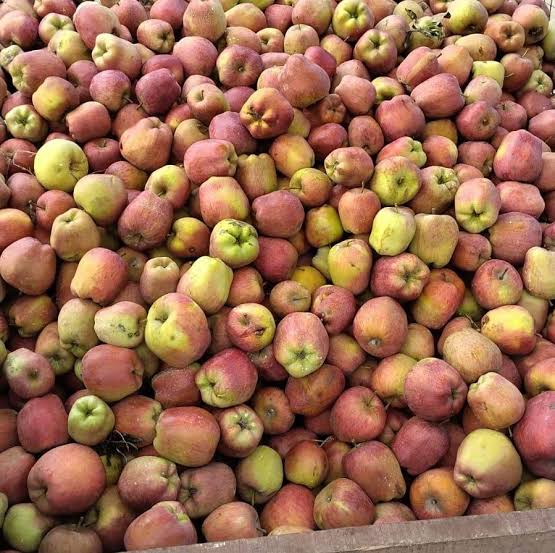
Horticulture is one of the main pillars of Jammu and Kashmir’s economy and contributes majorly to the union territory’s agricultural output. However, despite the expansion of cultivation and improvements in farming practices, the sector still faces a major challenge: productivity remains below the national average. This gap highlights the need to shift the focus from expanding acreage to improving yields, quality and value addition. In 2025-26, Jammu and Kashmir had 4.2989 lakh hectares under horticulture crops, with estimated production of 40.35 lakh metric tonnes. Average productivity stood at 9.39 tonnes per hectare, against the national average of 12.53 tonnes. The difference of 3.14 tonnes per hectare is significant for a region where horticulture generates an estimated annual turnover of Rs 10,000 crore, supports around 35 lakh livelihoods and contributes approximately 6-7 per cent to the Union Territory’s gross domestic product. These figures point to the importance of making every hectare more productive. Traditional farming practices, ageing orchards, limited adoption of modern techniques, climatic uncertainties and inadequate access to quality planting material can affect yields. Addressing these challenges requires sustained investment in research, extension services, efficient irrigation and scientific orchard management. Farmers must have access to improved varieties, soil testing, balanced nutrient management and timely technical guidance. Climate change has added to the challenges. Unpredictable weather, temperature fluctuations and changing precipitation patterns can affect flowering, fruit development and overall crop quality. Developing climate-resilient varieties, improving water management and promoting scientific practices are essential to protect growers from increasing environmental risks. However, higher production alone will not ensure higher incomes. Post-harvest losses remain a serious concern. A NITI Aayog report estimates that around five lakh tonnes of apples are lost after harvest, resulting in monetary losses of approximately Rs 1,500 crore. Fruit processing remains limited, with only 2-3 per cent of apples processed and the overall processing of major fruits below one per cent. The gap between production and processing leaves growers heavily dependent on fresh-fruit markets, where prices fluctuate and transportation delays can reduce the value of perishable produce. This dependence exposes farmers to market uncertainty, even when their harvest is good. The solution lies in strengthening the entire horticulture value chain. Modern cold storage, controlled-atmosphere facilities, grading and packaging units, efficient transportation and food-processing industries can reduce wastage and improve returns. Encouraging the production of juices, concentrates, dried fruits and other processed products would create additional markets and employment opportunities. The Rs 1,028.21 crore allocated for horticulture projects under the Holistic Agriculture Development Programme provides an opportunity to accelerate this transformation. Its success, however, must be measured by tangible improvements in productivity, reduced post-harvest losses, greater processing capacity and better returns for growers. Jammu and Kashmir has the climate, experience and reputation to remain a major horticulture producer. The priority now must be to convert these advantages into higher productivity and sustainable prosperity. Expansion has its limits; scientific farming, value addition and market integration offer a more durable path forward.
Productivity Gap