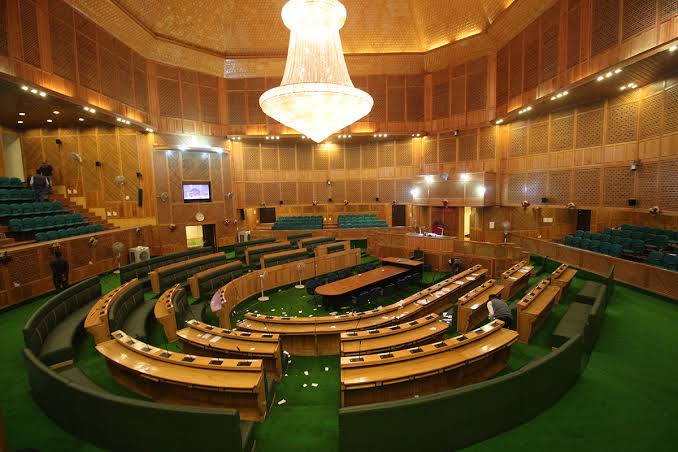
The debate over the duration of the Jammu and Kashmir Assembly session raises a larger question than whether the House should sit for seven days or a month. The real issue is how much meaningful work the Assembly is able to complete when it meets. Every session is an opportunity for elected representatives to place public concerns before the government, seek answers, examine policies and demand action. Yet, too often, valuable time is consumed by political statements, counter-statements and allegations. When the focus shifts from issues to rhetoric, the people’s concerns are pushed into the background. The Assembly is not a platform for political confrontation. It is an institution meant to strengthen accountability and improve governance. Legislators receive complaints from their constituencies about roads, water supply, electricity, healthcare, education, employment, recruitment, prices and public services. These issues deserve time-bound discussion and clear responses. A session should therefore be judged not only by its duration but by the quality of its proceedings and the outcomes that follow. The current dispute between the BJP and the J&K government has once again highlighted this concern. The Opposition has demanded a longer session, arguing that seven sitting days are insufficient to adequately debate public issues. The government, on the other hand, has defended the schedule and questioned the BJP’s criticism. Both sides have legitimate space to present their positions. But the larger responsibility is to ensure that the Assembly does not become another arena for political exchanges that produce little beyond headlines. There is nothing wrong with political debate. In fact, disagreement is an essential part of democracy. The problem arises when political rhetoric becomes the main business of the House. Statements outside the Assembly, followed by replies from the government, can consume public attention without necessarily resolving a single issue. People do not need endless exchanges between political parties. They need answers, decisions and visible action. The Business Advisory Committee and the Speaker have an important role in ensuring that legislative time is used effectively. Priority should be given to matters affecting large sections of the population. Questions that require detailed examination should receive adequate time. Ministers should provide specific replies, and assurances given on the floor should be followed up through a mechanism that records progress. The Opposition also has a responsibility. Raising public grievances is an important function, but criticism should be supported by facts and followed by constructive alternatives wherever possible. The government, meanwhile, must treat questions and criticism as part of democratic accountability rather than simply as political attacks. A productive Assembly session should leave a clear record of what was discussed, what was promised and what action will follow. Committees can examine issues in greater detail between sessions, while departments can be asked to submit progress reports on assurances made in the House. Ultimately, the people are less interested in who wins a political war of words than in whether their problems are addressed. The value of an Assembly session should be measured in improved governance.
People First