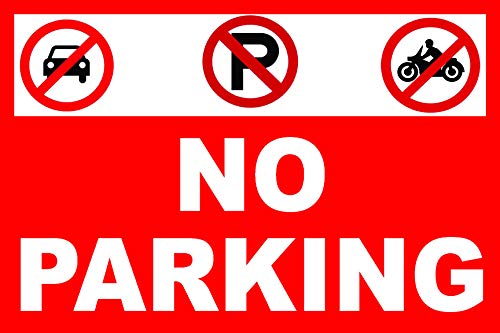
Recently, a portion of Srinagar’s Boulevard Road along Dal Lake was turned into a ‘no-halt zone’ for vehicles by the authorities to deal with traffic congestion. The decision by Srinagar’s deputy commissioner Mohammad Aijaz Asad, who is also the chairman of the Regional Transport Authority, comes as the 2-km picturesque stretch from Badyari Chowk, Dalgate to Nehru Park often witnesses unauthorised halts and parking of tourist vehicles as well as those of mobile vans and cars selling merchandise. The district administration said in order to ensure smooth traffic flow on the Boulevard Road axis, it has declared Badyari Chowk to Nehru Park segment of Boulevard Road as ‘no-halt zone’ for vehicles to implement the decongestion framework. Traffic congestion has become a persistent issue in many cities worldwide, causing frustration, wasted time, and environmental concerns. As urban populations continue to grow, innovative strategies are needed to alleviate traffic congestion and improve transportation efficiency. One potential solution that has gained attention is the concept of “No Halt Zones.” These designated areas aim to minimize traffic jams by prohibiting vehicles from stopping or parking in specific zones during peak hours. While they may not be a universal remedy, implementing No Halt Zones can offer certain advantages in managing traffic flow. The implementation of No Halt Zones can enhance overall traffic efficiency. With fewer vehicles stopping or parking in congested areas, traffic can flow more smoothly, reducing delays and travel times for commuters. Improved traffic efficiency not only benefits individual drivers but also has broader implications for fuel consumption, air pollution reduction, and increased productivity. Srinagar’s narrow roads and growing vehicle population often lead to traffic congestion, particularly during peak hours. Introducing No Halt Zones in areas with high traffic density, such as commercial districts, key intersections, and busy thoroughfares, can play a pivotal role in maintaining the flow of vehicles. By restricting stopping and parking activities during specified times, traffic bottlenecks can be minimized, resulting in smoother and more efficient traffic movement. One of the primary benefits of implementing No Halt Zones is the enhanced safety they provide to pedestrians. Srinagar’s busy streets are frequented by residents and tourists, making it crucial to prioritize pedestrian movement. By designating specific zones where vehicles are not allowed to stop or park, pedestrians can navigate these areas with greater ease and reduced risk. More areas of Srinagar city should now be designated as No Halt Zones. It has been noted that people park cars at busy marketplaces and cause inconvenience to many others. Take the case of Sanatnagar market where traffic cops face a tough time in dealing with people parking their vehicles near the shops. In fact, the Srinagar administration should make a list of markets like Sanatnagar and declare the same as No Halt Zones. At the same time, the authorities should also identify more areas for parking near marketplaces so that vehicles are not stopped in front of shops as it leads to massive traffic jams.
No Halt Zones