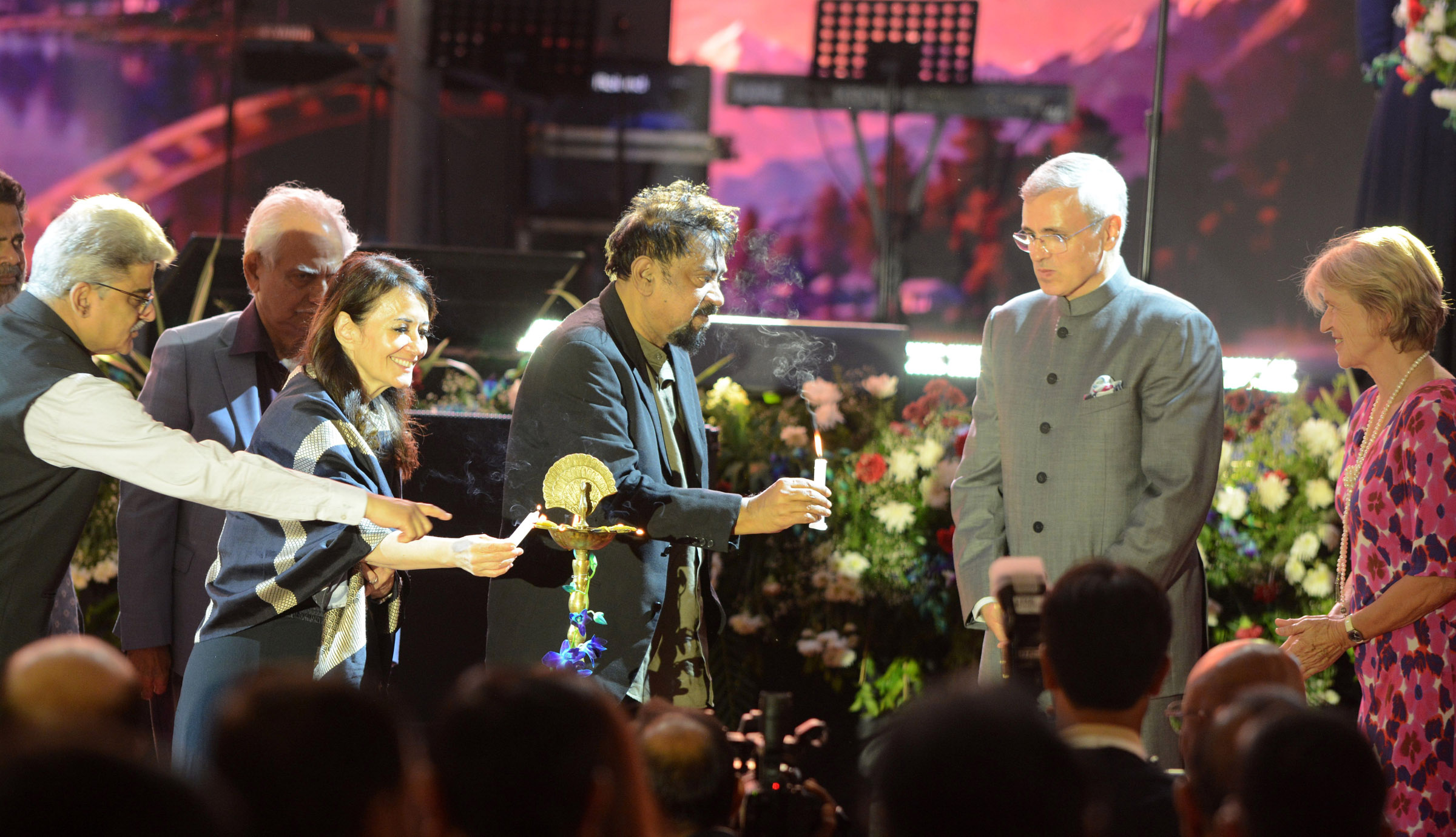
The first International Film Festival of Jammu and Kashmir has begun in Srinagar with considerable fanfare. The four-day festival has brought cinema, culture and creativity to the Valley. But its significance goes beyond films. The festival is being held till September 10 under the theme ‘Rang-e-Cinema’. It is being organised by the Department of Information and Public Relations in collaboration with the National Film Development Corporation. The response has been impressive. Around 1,100 films from 92 countries were received. Of these, 135 films have been selected. More than 40 countries are represented. Such international participation can give J&K greater visibility. It can present the region as a destination for culture, creativity and tourism. The choice of venues adds to this appeal. Screenings are being held at SKICC and INOX Multiplex Srinagar. Events are also planned in Jammu and Gulmarg. A floating screen on Dal Lake is another major attraction. IFFJK can become an important opportunity for Jammu and Kashmir’s tourism sector. It can also open new avenues for the region’s youth. Cinema and tourism can complement each other. Visitors attending a film festival are also likely to explore local attractions. They stay in hotels. They use transport services. They visit restaurants and markets. They purchase local products. This creates economic activity across several sectors. The festival can therefore contribute to the wider tourism economy. It can help promote Kashmir not only for its landscapes but also for its cultural experiences. The youth dimension is equally important. Jammu and Kashmir has a large pool of young people interested in filmmaking, photography, editing, animation, music and digital content. A major film festival can give them exposure to international cinema and professional practices. Masterclasses and panel discussions can further expand this opportunity. Young filmmakers can interact with established professionals. They can learn about production, direction, cinematography and storytelling. Such engagement can inspire young people to view the creative sector as a serious career option. The festival has also attracted prominent names from the film industry. Filmmakers Ramesh Sippy and Vidhu Vinod Chopra are among the guests associated with the inaugural edition. The jury includes acclaimed professionals such as Santosh Sivan, Dorothee Wenner, Keiko Bang and Himansu Sekhar Khatua. The prize purse of Rs 96 lakh across nine categories is another major attraction. The Best Film award carries Rs 25 lakh. Best Director and Best Debut Film of a Director carry Rs 15 lakh each. The Best Film – J&K Select award carries Rs 10 lakh. Jammu and Kashmir has a long association with cinema. Its landscapes have attracted filmmakers for decades. But the region should not remain merely a backdrop for films produced elsewhere. The bigger ambition should be to make J&K a film production hub. That requires infrastructure, trained manpower and a strong local creative ecosystem. It also requires opportunities for young people to participate in the industry. Film production can create jobs beyond acting and direction. It can support technicians, editors, designers, photographers, drivers, hospitality workers and many other professionals.
New Window