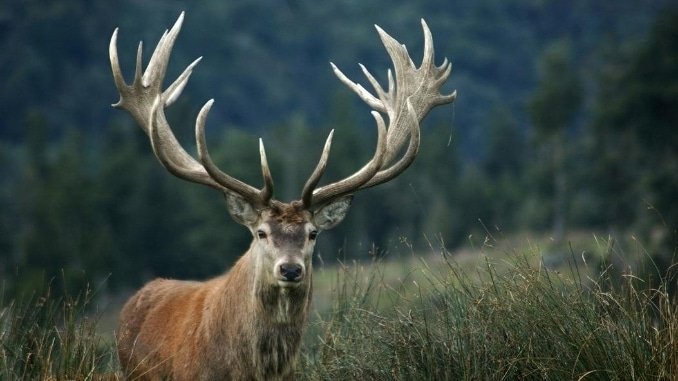
The Kashmir Hangul faces an uncertain future, with fewer than 400 animals remaining in the wild. Recent research conducted in Dachigam National Park—the species’ final stronghold—has unveiled new insights into its reproductive biology and stress responses through non-invasive physiological monitoring. As per media reports, scientists have mapped patterns previously undocumented by analysing faecal hormones. This study aimed to decode the Hangul’s reproductive rhythms and environmental pressures. Dachigam National Park provides a fragile refuge for the Hangul, which has vanished from much of its historical range due to habitat fragmentation, poaching, and competition with livestock. Researchers collected faecal samples over multiple seasons to measure fluctuations in hormones such as progesterone, oestrogen, testosterone, and glucocorticoids. This approach, widely used in wildlife studies for species like mountain gorillas and snow leopards, allows scientists to infer physiological states without disturbing the animals. The data revealed that female Hangul exhibit irregular mating and birthing periods, contrasting with the tightly synchronised cycles of other red deer subspecies. Pregnancies, indicated by rising progesterone levels from January to March, culminated in births around April, a period aligning with the emergence of nutrient-rich vegetation. Males, meanwhile, entered a synchronised rutting phase between October and December, accompanied by heightened testosterone and stress hormones as they competed for mates. Stress patterns also revealed the vulnerability of the species. Males showed glucocorticoid surges not only during the rut but also in May, coinciding with seasonal migrations disrupted by livestock herders entering alpine pastures. Females experienced stress peaks during birthing, a time when disturbances from human activity could jeopardise fawn survival. These findings emphasise the delicate balance between the Hangul’s biological rhythms and external pressures. Unlike temperate deer species that adapt to predictable seasonal shifts, the Hangul’s extended reproductive window may reflect an evolutionary response to variable forage availability in subtropical latitudes—a trait that could become a liability as climate change alters vegetation cycles. The study’s implications extend beyond immediate conservation tactics. Reducing human intrusion during critical periods, particularly in spring and autumn, is vital. Livestock grazing, tourism, and infrastructure development in Dachigam must be regulated to mitigate stress during mating and birthing. Additionally, the data provide a roadmap for captive breeding initiatives, which have historically struggled due to insufficient knowledge of the Hangul’s hormonal cycles. Such programmes could enhance success rates by timing interventions to match natural reproductive phases. Complementary approaches, like camera trap surveys, could validate hormonal findings by documenting behavioural cues, such as courtship displays or fawn sightings, which add visual evidence to physiological data. Habitat connectivity remains another urgent priority. Once roaming across vast stretches of Kashmir, the Hangul now exists in isolated pockets, heightening risks of inbreeding. Creating ecological corridors between fragmented populations would require addressing barriers such as roads, military installations, and settlements—a challenge demanding coordination between policymakers, conservationists, and local communities. Meanwhile, the absence of captive populations complicates validation of hormone analysis techniques, as comparative studies under controlled conditions are impossible. Future research must address this gap while exploring how climate-driven shifts in plant phenology could misalign birth seasons with optimal forage availability.
New Insights