

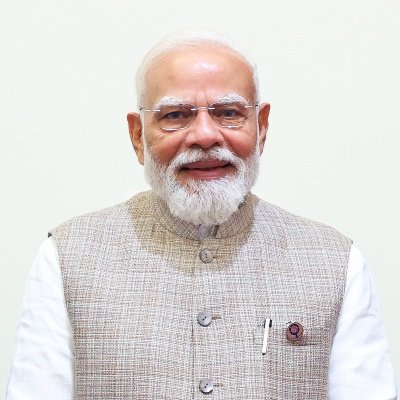
New Delhi, Nov 2: Prime Minister Narendra Modi today inaugurated the Bharat Renewable Energy Summit and Expo 2026 at Bharat Mandapam in New Delhi. Addressing industry leaders, investors, startup representatives and senior officials from India and abroad, the Prime Minister said the summit was taking place at a time when global energy shocks had underscored the importance of renewable energy in daily life and national development. He noted that this year’s event coincided with the Ninth Assembly of the International Solar Alliance and included delegates from the Fourth Conference on Green Hydrogen.
The Prime Minister said that the global economy had weathered unprecedented disruptions, ranging from the COVID-19 pandemic to the ongoing West Asia crisis. He said 140 crore Indians took pride in how effectively the country had managed the turmoil while maintaining high economic growth. He attributed this resilience to a decade of sustained domestic investment and systemic reforms in clean energy. He said that without these investments, the crisis could have been much more severe.
Observing that recent global disruptions had demonstrated the direct link between energy security and economic security, Modi warned that continued dependence on fossil fuels would repeatedly disrupt the world economy. Fossil fuel reserves are finite and concentrated in a few regions, whereas clean energy offers boundless and universally accessible potential. He asserted that the future of energy security lies in clean energy.
Describing India’s 12-year clean energy journey as one defined by promises, passion and performance, the Prime Minister highlighted the country’s progress towards its COP26 commitment of achieving 500 GW of non-fossil fuel capacity by 2030. He said India had fulfilled its Paris pledge of sourcing 50 per cent of its installed power capacity from non-fossil sources in 2025, five years ahead of schedule. With more than 50 per cent of installed capacity coming from non-fossil sources and nearly 300 GW already achieved, he announced a target of adding another 500 GW of non-fossil capacity over the next 10 to 11 years.
Highlighting the progress of the PM Surya Ghar Muft Bijli Yojana, launched in February 2024 to install rooftop solar panels in one crore homes, Modi said more than 65 lakh households had joined the initiative within 24 to 25 months. According to him, the scheme had reduced electricity bills by around 76 per cent, while lakhs of families were earning money by selling surplus power to the grid.
He also highlighted the installation of solar systems in more than 44,000 government buildings, saving nearly Rs 700 crore annually. Under the KUSUM scheme, solar irrigation facilities had been provided to more than 30 lakh farmers, with each solar pump beneficiary saving nearly Rs 1 lakh annually.
The Prime Minister said India’s clean energy ecosystem extended beyond solar, wind and hydropower. Under the National Green Hydrogen Mission, the country was working towards producing 50 lakh tonnes of green hydrogen by the end of the decade. He also referred to the launch of India’s first Green Hydrogen Train.
Emphasising the importance of transmission infrastructure, Modi highlighted the development of Green Energy Corridors and the One Nation, One Power Grid network. He said an investment target of around Rs 2 lakh crore had recently been set to further strengthen the transmission network.
The Prime Minister also underlined the growth of domestic solar manufacturing. Solar module manufacturing capacity had increased from around 2 GW a decade ago to more than 200 GW, alongside nearly 40 GW of solar cell capacity. He described this progress as evidence of the success of the Make in India and Atmanirbhar Bharat initiatives.
Calling for faster adoption of solar energy, Modi urged states and local bodies to connect government buildings, schools, colleges, hospitals and streetlight networks with solar power. He also called for expanding solar installations in agriculture, including on vacant farmland and along field boundaries.
He urged startups, IITs, researchers and entrepreneurs to develop all-weather solar solutions, rooftop solar cooking systems and home-based solar charging facilities for electric vehicles. He also stressed the need for specialised solar equipment for the dairy and agricultural sectors and greater investment in indigenous battery storage technology.
Inviting global investors, the Prime Minister said the renewable energy sector had attracted more than Rs 15 lakh crore over the past decade, including over Rs 6 lakh crore since the 2024 RE-INVEST Summit. Investment opportunities in the sector were projected to exceed Rs 20 lakh crore by the end of the decade.
He also announced a proposal for a 200-million-dollar Africa Solar Facility, reiterating India’s commitment to sharing clean energy technology, funding and expertise with other countries. He expressed confidence that the coming decade would be crucial in building a clean, green and secure future.