

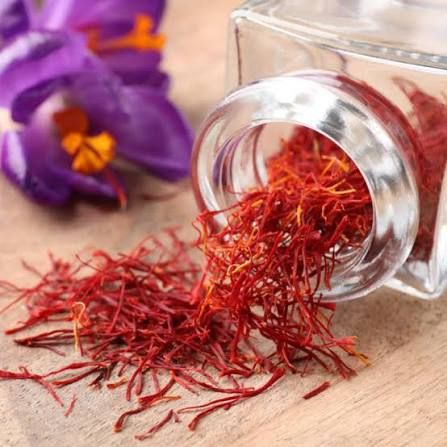
Srinagar: Still recovering from last year’s losses, saffron growers are waiting with bated breath for September showers for corm development.
Last year’s prolonged dry spell and erratic weather severely affected fields across the traditional saffron-growing areas of Kashmir. Several growers reported production losses of more than 90% in their fields, describing the season as among the worst in nearly a decade.
A year after erratic and largely dry weather severely hit saffron cultivation, growers said conditions this season have so far been more favourable, with timely rains improving soil moisture and raising hopes of a better flowering season.
For farmers, however, September remains critical. “Last year we didn’t receive good rains, following which growers suffered heavy losses. This year, the weather has been favourable with timely rains, and we expect a bumper harvest in the coming month. September will decide the quality of our produce,” Abdul Majeed Wani, president of the saffron growers association.
Saffron cultivation in Kashmir is particularly sensitive to weather conditions during the period preceding flowering. Adequate soil moisture helps the corms develop and prepares the crop for flowering, which determines both yield and quality.
Growers said the rainfall received so far has helped maintain moisture in the soil and improved the condition of saffron corms. They are now hoping for more precipitation through September to sustain those conditions until the crop enters its flowering phase.
Following dry weather patterns over the years, data showed that saffron production has been on a declining trend, especially after 2023. The world’s costliest spice’s production declined from 23.53 metric tonnes in 2023-24 to 19.58 metric tonnes in 2024-25. Average productivity also fell during the period, from 6.33 kg per hectare to 5.27 kg per hectare.
The decline was also reflected in exports. Saffron exports fell to 17.82 metric tonnes in 2024-25, compared with 20.47 metric tonnes in the previous year. The growers claimed that saffron has been largely dependent on the rains, as the irrigation component has struggled to deliver the intended benefits on the ground. Farmers in some areas reported that the systems are either defunct or were never fully operational.
An official from the agriculture department said they are monitoring the crop conditions.
“September is an important period for saffron cultivation as the crop moves towards its flowering stage. The rainfall received so far has helped improve soil moisture conditions. We are closely monitoring the crop and weather conditions,” the agriculture department official said.