

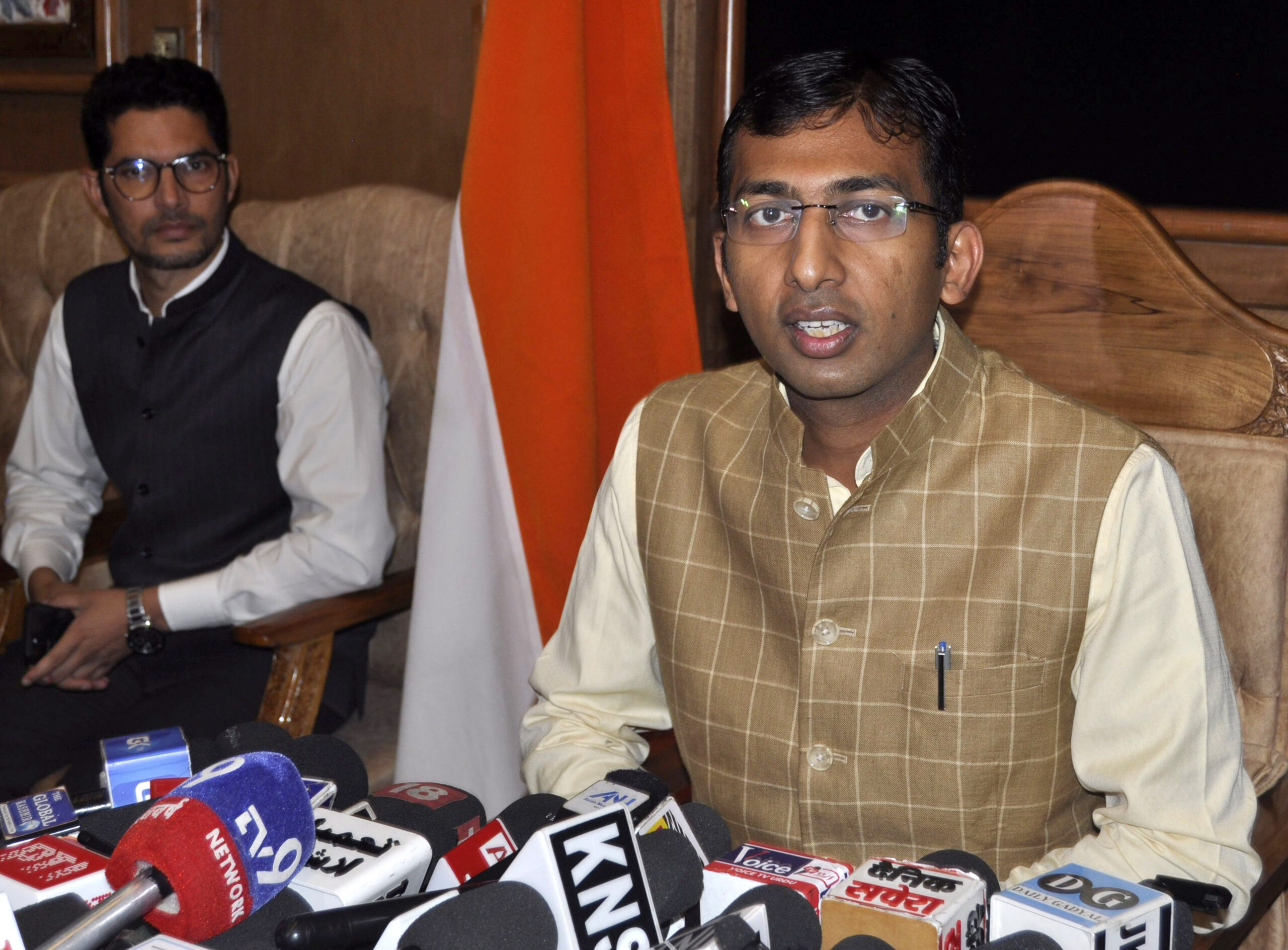
Srinagar, Aug 28: The flood threat in Kashmir eased after water levels in the Jhelum and other water bodies started receding.
Divisional Commissioner, Kashmir, Ansuhul Garg, said the next 10-15 days are crucial and appealed to people to follow weather advisories in letter and spirit.
In the past 12 hours, there has been very little rainfall in the Kashmir Valley, officials in Srinagar said.
Due to the let-up in the rain, the Jhelum dropped below the flood alert level at Sangam in south Kashmir’s Anantnag district, officials said.
According to the officials, water has also started receding in the areas that were inundated on Wednesday (August 27, 2025). However, monitoring by various departments continues, and teams are on alert.
The meteorological department said the weather in the valley has been mostly dry during the day so far, but a brief spell of rain is likely at a few places towards late afternoon and late night.
A spell of light to moderate rain at scattered to fairly widespread places with a possibility of moderate to heavy rain or thundershowers in a few districts of Jammu is likely from August 30 to September 1, it said.
From September 2 to 6, a brief spell of rain or thundershowers is expected at a few places, it added.
Garg said while the situation is under control and there is no need to panic, the coming fortnight will be crucial.
“The water levels are receding, the levels at Sangam and Ram Munshibagh are receding, and the weather forecast is similar for the next couple of days,” he said.
“If there is a rain forecast, our teams will work round the clock. I also hope we will continue to get the same cooperation from the people that we have got so far,” he said.
Garg appealed to people to stay alert and follow the advisories issued by the administration and the meteorological department.
“People living near streams and tributaries need to stay alert as the next 10-15 days are important. Our district disaster management teams will be on the ground to monitor the situation round the clock,” he said.
“The district emergency control rooms and the union territory-level emergency control room will continue to work round the clock so that people can reach out to the administration,” he added.
Garg said while these are short-term measures for the next 15-20 days till the weather improves and the monsoon system recedes, there is a need for taking long-term measures.
He invited suggestions from people on medium and long-term measures needed to be taken to address any such eventuality in the coming years.
“We have directions to work on the long-term measures as well,” he said.
The divisional commissioner lauded the departments for their good work.
“We have been able to learn from the past challenges and take measures accordingly,” he said.
The waters reached a 10-year high at Sangam and Ram Munshibagh, but there was no loss, Garg said.
“This also tells you about the good restoration works undertaken. There may be challenges, but I assure you that they will be examined and action will be taken,” he said.