

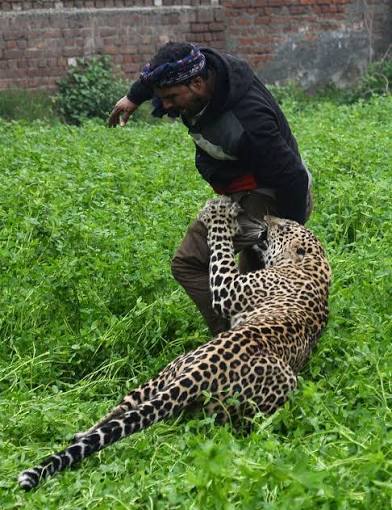
Srinagar: Jammu and Kashmir has recorded more than 17,000 human-wildlife conflict incidents in the last five years.
Asiatic black bears and common leopards account for the maximum number of attacks, human injuries and deaths linked to human-wildlife conflict in Jammu and Kashmir, besides causing extensive damage to standing crops and livestock, the Wildlife Protection Department has told the National Green Tribunal (NGT).
The department, in its report submitted to the NGT, identified the two species as the primary drivers of human-wildlife conflict, particularly across the Kashmir Valley and parts of the Jammu region. It described the escalating encounters between people and wild animals as one of the region’s most serious conservation challenges.
It said that J&K recorded more than 17,000 human-wildlife conflict incidents over the past five years. North Kashmir tops the list with 8,000 cases. South Kashmir follows with 6,600 cases. Central Kashmir reported around 630 incidents during the period.
The encounters have taken a significant human toll, with more than 100 people killed and nearly 1,100 injured in attacks by wild animals. Animals increasingly entering villages, orchards and residential areas have also resulted in crop and livestock losses.
Shopian was among the worst-affected districts, recording more than 2,900 incidents during the five years, underscoring the growing pressure on communities located close to forested areas.
The department has attributed the rising conflict to changing land-use patterns, shrinking wildlife habitats and declining availability of food in forests, which are pushing animals closer to human settlements in search of food and shelter.
The pressure has continued this year, with the department receiving more than 1,700 distress calls related to human-wildlife conflict across Kashmir. The calls reflect the increasing frequency of encounters and the need for rapid intervention by wildlife rescue teams.
Officials said the wildlife department is now preparing to introduce new measures to prevent wild animals from entering residential areas.
They said plans to deploy a range of non-lethal deterrents to drive animals away from populated areas without causing them harm is on the anvil. The measures include the use of music and other sound-based techniques, devices to deliver a mild electric current, and pepper spray.