

Srinagar, Dec 19: Over the past three years, Kashmir Valley has recorded 36 deaths due to human-wildlife conflict. Over 261 people were injured, while 10,303 human-animal encounters were recorded.
Human-wildlife conflict has escalated in Kashmir, with a sharp rise in such incidents year after year. In the period between 2022-2023, 3,262 incidents were reported, resulting in 15 deaths and 99 injuries. The north division of Kashmir bore the brunt of the crisis, with 1,606 incidents and 10 fatalities Meanwhile, areas like Shopian and wetlands in the south saw varying degrees of injuries, ranging from 1 to 40.
The situation worsened in 2023-2024 with 4,947 reported cases of wildlife conflict, leading to 12 deaths and 83 injuries. The North Division again accounted for the highest number of incidents—2,873 cases and 8 fatalities. While the South division and Shopian saw a slight decrease in injuries, the Wetlands witnessed two fatalities and one injury, marking a dangerous trend in these ecologically fragile zones.
Up until December 2024, the situation remains critical, with 2,094 reported cases so far, leading to 9 deaths and 79 injuries. Kupwara, Baramulla, and Bandipora in the north, along with Anantnag and Kulgam in the south, have been identified as the most conflict-prone areas.
Despite these alarming figures, the local government’s response has been deemed insufficient. Critics argue that the Wildlife Department has not been adequately staffed to handle the growing crisis. This shortage of personnel has left the local population exposed to the dangers posed by leopards, bears, and other wildlife year-round.
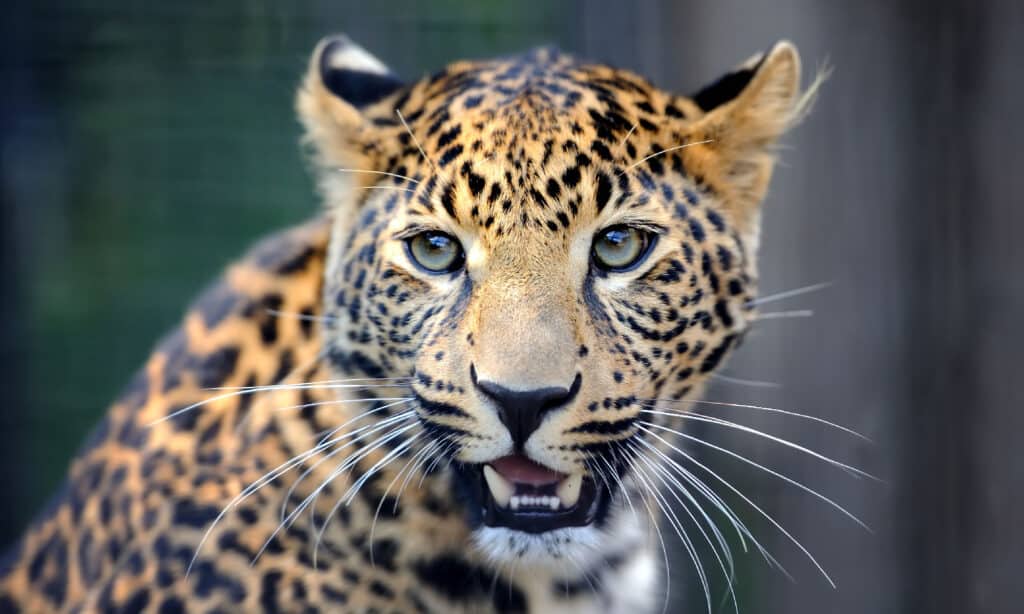
A senior wildlife official cited several factors contributing to the rise in human-wildlife conflicts. These include a growing human population encroaching on animal habitats, the increasing number of dogs (which attract leopards), and the tendency of leopards to breed closer to human settlements.
In one recent incident in north Kashmir, a wildlife official was injured when he attempted to capture a bear using a stick. The bear attacked, biting the official, but a group of locals intervened, using sticks to fend off the bear, enabling wildlife officials to eventually tranquilize and capture the animal.
Another incident in south Kashmir’s Shopian involved a leopard being tranquilized after onlookers threw stones and created noise, turning the situation into a spectacle. This led to four injuries among bystanders.
However, the department’s severe lack of modern equipment and safety gear, which are critical for managing human-wildlife conflicts effectively. “The staff capacity must be significantly increased, and there is an urgent need to establish rapid response teams composed of well-trained and properly equipped personnel who can swiftly address any emerging threats,” the official said.
The growing human-wildlife conflict in Kashmir demands immediate attention. Without substantial investment in infrastructure, manpower, and training, the safety of residents and the conservation of wildlife in the region remain at risk. (With KNO inputs)