

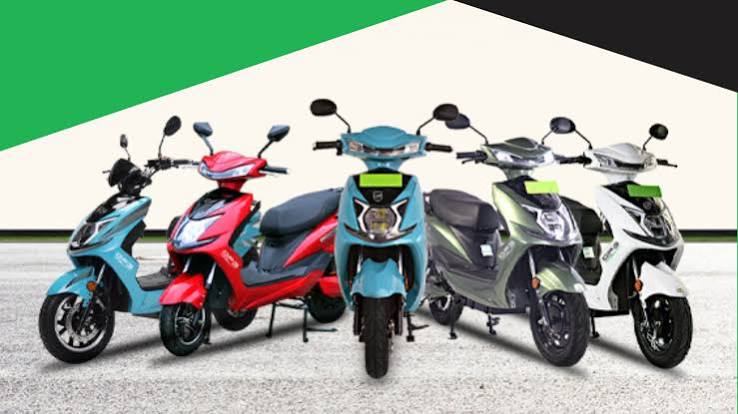
Have you noticed how commuting patterns across Indian cities are gradually shifting? More riders are considering electric mobility, although the reasons extend well beyond fuel savings alone.
The electric two-wheeler segment is evolving quickly. Modern users now prioritise convenience, digital integration, everyday practicality, and ease of ownership. These expectations are influencing how manufacturers design and refine new mobility solutions.
As the Indian electric scooter market expands, product development is increasingly aligned with urban lifestyle needs. In this context, established models in the category reflect how brands are responding to evolving requirements around usability, connectivity, charging convenience, and rider support.
The trends shaping the sector highlight what commuters value most in daily travel. Let’s explore the key developments influencing urban mobility in 2026.
8 Indian Electric Scooter Trends Shaping Urban Mobility
An overview of how shifting mobility preferences and innovation are redefining electric scooter usage in urban India.
- Prioritise Extended Range for Daily City Travel
Range remains one of the most important factors for electric scooter buyers. People want a scooter that can comfortably handle daily commutes, shopping trips, and other regular travel without the need for frequent charging.
To meet these expectations, manufacturers are offering a wider range of battery options. For example, models from brands like Bajaj Chetak currently offer ranges starting from around 113 km and extending up to 153 km on a single charge, giving riders the flexibility to choose a model that suits their everyday travel needs.
This growing focus on range is helping the Indian electric scooter become a more practical and dependable choice for urban mobility. As battery performance continues to improve, riders can travel with greater confidence and convenience throughout the day.
- Expect Faster Charging to Support Busy Lifestyles
Convenience remains one of the biggest drivers of electric vehicle adoption. As urban lifestyles become increasingly fast-paced, riders want charging solutions that fit naturally into their daily routines.
Recent developments show a strong focus on reducing charging times while maintaining battery efficiency. Faster charging capabilities allow riders to recharge during work hours or overnight with minimal disruption. This growing emphasis on charging convenience is helping the Indian electric scooter become a practical alternative for a broader range of commuters.
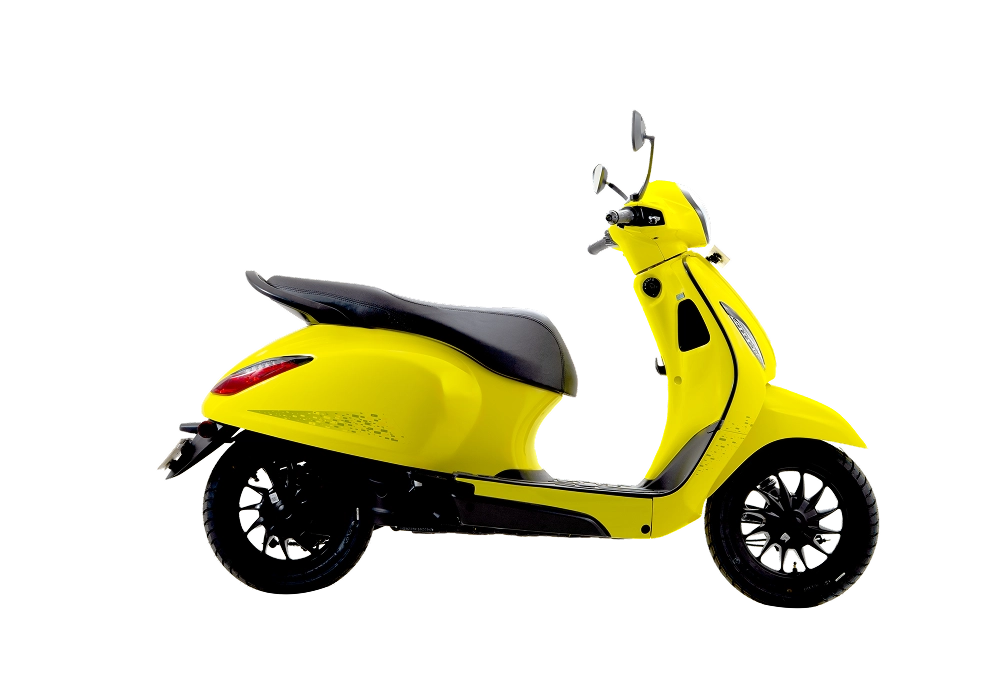
Bajaj Chetak C2501
Image Source: Bajaj Chetak
- Choose Storage-friendly Designs for Everyday Practicality
Urban riders often carry office essentials, groceries, backpacks, and personal belongings during their daily journeys. This growing need for convenience is encouraging manufacturers to focus on practical storage solutions that support modern commuting habits.
As a result, larger boot space is becoming an important trend in the Indian electric scooter segment. Increased storage capacity helps reduce clutter while making daily travel more comfortable and efficient. Riders increasingly view storage as an essential part of the ownership experience rather than an additional feature.
This shift is visible across newer Bajaj Chetak models, which offer up to 35 litres of boot space. Such practical improvements reflect how urban mobility is evolving to meet the demands of everyday city travel.
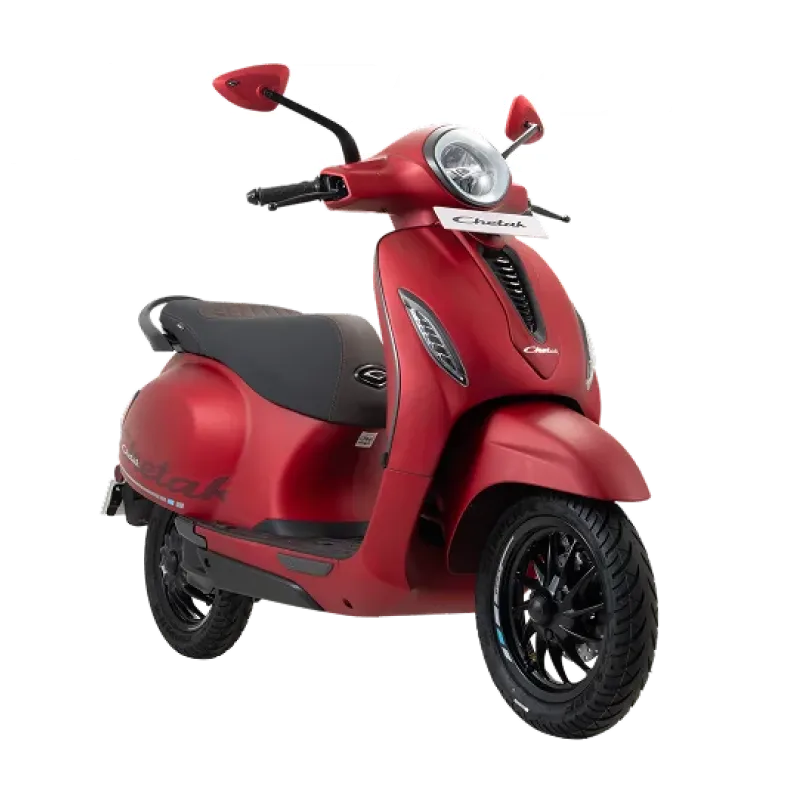
Bajaj Chetak C3501
Image Source: Bajaj Chetak
- Navigation Integration for Urban Efficiency
Efficient navigation plays a significant role in city commuting. As traffic conditions become more complex, integrated route guidance is gaining importance.
Modern systems now allow riders to access navigation directly through vehicle interfaces or connected devices. In certain models within the category, map-based navigation support is integrated to improve ease of travel. This development shows how electric scooters are becoming more commuter-oriented rather than purely transport-focused.
- Rely on Integrated Navigation for Smarter Urban Movement
Navigating busy city roads requires quick access to accurate directions and important travel information. As urban centres continue to grow, riders are increasingly looking for mobility solutions that simplify route planning and reduce travel stress.
This has driven demand for integrated navigation systems and connected rider interfaces. Features that provide route guidance directly through the scooter can improve convenience while helping riders stay focused on the road. As technology advances, the Indian electric scooter is becoming better equipped to support seamless urban commuting.
The trend is reflected in premium offerings such as select Bajaj Chetak models that feature integrated Google Maps navigation and digital document storage. These additions help create a more connected riding experience while supporting everyday urban mobility needs.
Bajaj Chetak C3502
Image Source: Bajaj Chetak
- Safety and Rider Support Systems
Safety features are gaining more attention as urban traffic conditions become increasingly demanding. Riders are now more aware of systems that support confidence and control during daily travel.
Key features commonly evaluated include hill-hold assist, anti-theft alerts, overspeed warnings, and reverse assistance functions. Some scooters in the segment integrate these systems to improve ride stability and security, reflecting a broader shift towards safety-led design.
- Balanced Performance for City Conditions
Urban riders expect a balance between efficiency and usable performance. The focus is less on high speed and more on smooth handling in varied traffic conditions.
Different models in the category offer varied speed capabilities suited to city commuting. These performance ranges are designed to ensure practicality while maintaining energy efficiency, which is central to electric mobility adoption.
- Explore Flexible Upgrade and Ownership Solutions
The journey towards electric mobility is becoming more accessible as ownership models continue to evolve. Buyers today are not only evaluating vehicle features but also looking for convenient ways to make the transition from conventional two-wheelers.
Exchange programmes, flexible finance options, and simplified purchase processes are becoming increasingly important across the industry. These solutions help reduce entry barriers while allowing riders to explore electric mobility with greater flexibility. As a result, the Indian electric scooter is becoming more accessible to a wider range of urban commuters.
A good example of this trend is the exchange programme available through Bajaj Chetak, which allows riders to receive an estimated value for their existing two-wheeler before upgrading. Such initiatives reflect the growing focus on making electric mobility transitions more convenient and straightforward.
Bajaj Chetak C3001
Image Source: Bajaj Chetak
Explore Urban Mobility Trends in 2026
Urban transportation in India is changing fast. Commuter expectations are shifting towards efficiency, connectivity, and convenience. Range, charging speed, smart features, navigation, safety, storage, and ownership flexibility now shape buying decisions in 2026.
Within this evolving landscape, brands like Bajaj serve as reference points for how build quality and practical features are being integrated into modern electric mobility.
The market is moving closer to real commuter needs. Charging ease and maintenance access also matter for smoother ownership. These factors reduce daily effort over time. A good EV scooty should offer comfort, confidence, and long-term value. Compare features carefully. Match them with daily travel needs. This helps buyers make more balanced and informed choices for urban mobility in 2026.