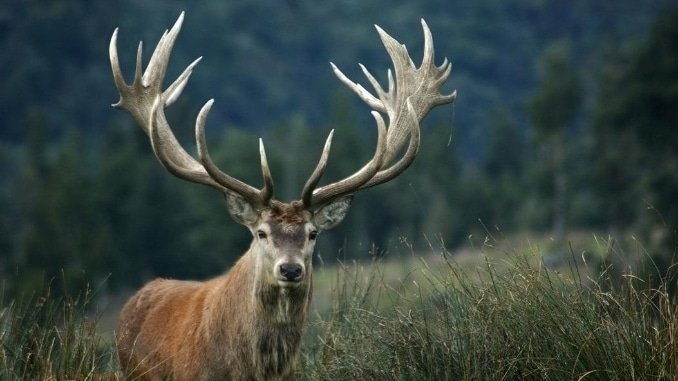
The Government has taken a timely step by restricting public entry into Dachigam National Park during the Hangul’s rutting season. The restriction will remain in force until October 31, unless extended. It allows entry only for essential departmental duties, wildlife protection, emergencies and other authorised purposes. This decision deserves public support, as it places wildlife conservation above temporary recreational interests. The Hangul, also known as the Kashmir stag, is one of the Valley’s most precious wildlife species. It is closely linked to Kashmir’s natural heritage. Dachigam National Park, on the outskirts of Srinagar, remains its principal stronghold. Protecting this habitat is essential for the survival of the species. There is encouraging news on the population front. The Hangul population has risen from 127 in 2008 to 323 in the 2025 census. This increase points to the benefits of sustained conservation efforts. However, it should not create a false sense of security. The species still faces serious challenges. Its limited distribution makes it vulnerable to habitat loss, disturbance and other ecological pressures. The rutting season is particularly important. Male deer compete for access to females during this period. Repeated human movement, noise and other disturbances can interfere with their natural behaviour. Restricting public entry can provide the animals with a quieter environment for breeding. It is a necessary precaution at a sensitive time in their life cycle. Apart from being a tourist destination, Dachigam is a protected ecosystem that supports wildlife and provides important environmental services. The park is also part of the catchment area that supplies water to Srinagar. Its conservation, therefore, serves both ecological and public interests. This limited distribution makes the species vulnerable to habitat fragmentation, poaching and human interference. At the same time, a temporary closure cannot address every threat. Past studies have identified habitat fragmentation, livestock grazing, poaching and human interference among the pressures affecting Hangul survival. The movement of animals beyond the park’s boundaries also requires attention. Conservation must extend to suitable habitats and wildlife corridors outside Dachigam. The Wildlife Department must ensure strict enforcement of the restrictions. Entry gates and checkpoints need effective monitoring. Field staff should remain alert to unauthorised movement. Public awareness is equally important. Visitors must understand that the closure is a conservation measure, not an unnecessary inconvenience. The government should also strengthen scientific monitoring. Regular population surveys can help assess breeding success and the survival of young deer. Habitat restoration and the protection of movement corridors should receive priority. Coordination among departments is essential. Long-term planning must be backed by adequate funding and trained personnel. The increase to 323 Hangul is a welcome achievement. However, this positive development needs to be sustained. Conservation requires continuous protection, sound habitat management and public cooperation. The present population remains far below historical levels, when thousands of Hangul reportedly roamed Kashmir’s forests. Kashmir’s natural heritage belongs to future generations as well. Protecting the Hangul is a shared responsibility. Giving Hangul a safe breeding ground today is an investment in the Valley’s ecological future.
Hangul Protection