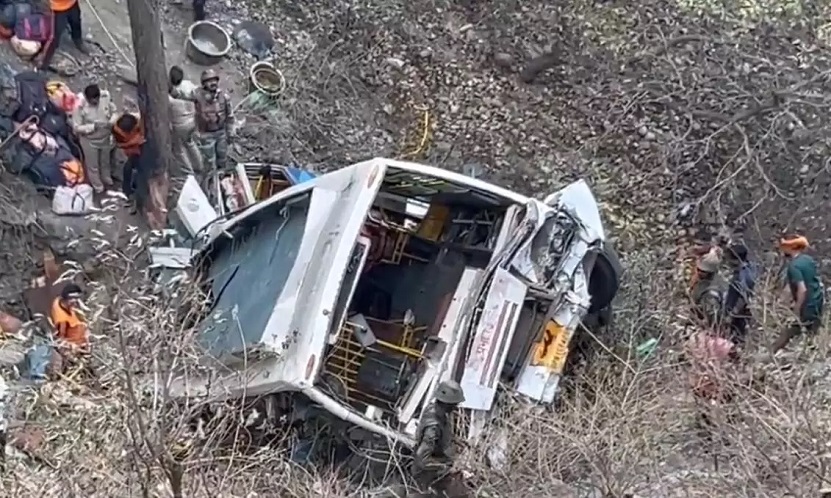
Road accidents have emerged as a grave public health and safety issue in Jammu and Kashmir, claiming 9,070 lives and causing grievous injuries to 28,230 individuals between 2013 and 2022. This necessitates the need for urgent and sustained intervention to mitigate the devastating consequences of such accidents on families, communities and the overall socio-economic fabric. The data reveals a troubling pattern, with the 25 to 60 age group accounting for the highest number of fatalities at 3,290. This age group, which often represents the most economically productive segment of the population, highlights the economic and social losses associated with road traffic accidents. Furthermore, fatalities among those under 18 years (784) and the 18-25 age group (1,668) emphasize the vulnerability of the younger population. These figures not only reflect the loss of life but also the disruption of educational and career prospects for many families. The elderly population, with 568 fatalities recorded, also faces risks, particularly in areas where infrastructure is inadequate to support their mobility needs. Grievous injuries, which totaled 28,230 over the decade, further compound the issue. Such injuries often lead to long-term disabilities, significant healthcare costs, and loss of productivity. The psychological impact on victims and their families is equally profound, with many enduring emotional trauma and financial hardship as a result of these incidents. The government has implemented several measures to enhance road safety. The Motor Vehicles (Amendment) Act, 2019, provides a legal framework for electronic monitoring and enforcement of road safety norms across National Highways, State Highways, and urban roads. This framework has been complemented by specific rules introduced in August 2021, targeting high-risk and high-density corridors. These measures aim to address key factors contributing to accidents, including speeding, reckless driving, and non-compliance with traffic rules. Technological interventions, such as the Advanced Traffic Management System, are being integrated into new highway projects and existing major corridors. These systems are designed to monitor and manage traffic effectively, reducing the likelihood of accidents and improving emergency response times. Additionally, advocacy campaigns and the annual National Road Safety Month aim to raise public awareness about road safety. The inclusion of road safety education in school curricula through NCERT textbooks represents a long-term strategy to instill safe driving habits and awareness from a young age. However, challenges remain. The hilly terrain of Jammu and Kashmir, combined with harsh weather conditions, poses unique risks to road safety. Many roads in the region are narrow and winding, with limited visibility and inadequate safety barriers. Moreover, the increasing number of vehicles on the roads exacerbates congestion. Addressing these challenges requires infrastructure development, strict enforcement of traffic laws and community engagement. The socio-economic impact of road traffic accidents in Jammu and Kashmir is profound. The loss of life and productivity, coupled with the financial burden of medical care and rehabilitation, places strain on families and the healthcare system. Therefore, the government must prioritize investment in road infrastructure, expand the reach of technological solutions and strengthen enforcement mechanisms.
Grim Toll