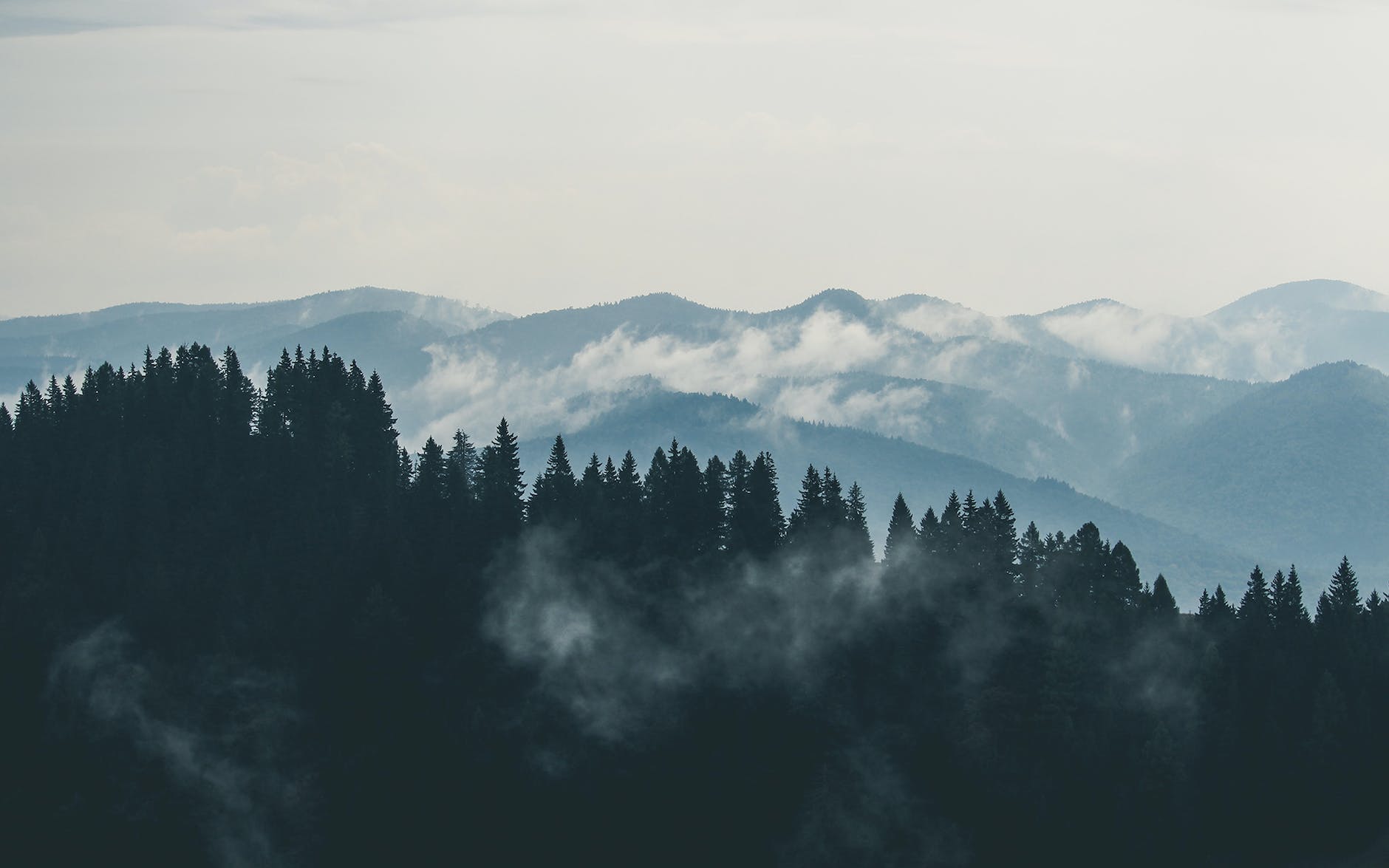
The Himalayan region is becoming increasingly vulnerable to climate change, unplanned development and growing human pressure. Erratic rainfall, cloudbursts, flash floods, landslides and prolonged dry spells are posing serious challenges. Recent disasters in the Himalayan region, including Nepal, have warned us how unregulated construction, ecological degradation and inadequate disaster preparedness can turn natural hazards into major catastrophes. Jammu and Kashmir cannot afford to ignore these warning signs. The preparation of a Sustainable Mountain Development Policy is, therefore, a timely initiative. Prepared by Sher-e-Kashmir University of Agricultural Sciences and Technology of Kashmir (SKUAST-K) in collaboration with the Integrated Mountain Initiative, the draft policy seeks to establish a framework for protecting the fragile mountain ecosystem. Its placement in the public domain for feedback is a welcome step. The policy deserves serious consideration because it addresses several long-standing concerns relating to construction, tourism, infrastructure and disaster management. One of its most important recommendations is the classification of mountain areas into four sensitivity zones. This would allow development activities to be regulated according to ecological vulnerability and exposure to natural hazards. Areas considered ecologically critical would face restrictions on permanent construction, while highly sensitive zones would permit only low-impact development after necessary clearances. Such a scientific approach is essential. Construction cannot be allowed indiscriminately in landslide-prone slopes, floodplains, wetlands and other environmentally sensitive locations. The proposal to regulate tourist and pilgrim numbers according to the carrying capacity of destinations is equally important. Tourism is a major source of livelihood in J&K, but unchecked visitor numbers can put enormous pressure on roads, water resources, sanitation systems and fragile natural habitats. Popular destinations cannot continue absorbing visitors beyond their ecological capacity. Online registration, visitor monitoring and designated green gateways could help manage this pressure. Electric vehicles for last-mile connectivity and ropeway-based transport in suitable locations could further reduce congestion and pollution. The policy also recognises that infrastructure development must follow mountain-specific safety standards. Roads, tunnels, hydropower projects and other construction activities require proper assessments of slope stability, drainage, muck disposal and the protection of natural springs. Unfortunately, development in mountain areas is often pursued without giving adequate attention to these factors. The resulting damage becomes evident during extreme weather events. Environmental safeguards must be treated as essential requirements rather than procedural formalities. Equally significant is the emphasis on early-warning systems for cloudbursts, landslides, flash floods, forest fires and glacial lake outburst floods. With climate change increasing the uncertainty of weather patterns, disaster preparedness cannot remain limited to emergency response. Scientific monitoring, reliable communication networks, evacuation plans and trained local communities are necessary. Tourism destinations and pilgrimage centres should receive particular attention. However, preparing a policy is only the beginning. Its success will depend on implementation, institutional coordination and accountability. The proposed Mountain Development Council, dedicated authority and Mountain Green Fund can provide an institutional foundation, provided they are adequately empowered and supported. The lessons from Nepal and other Himalayan regions must be taken seriously. Prevention is always better than rebuilding after a catastrophe.
Fragile Mountains