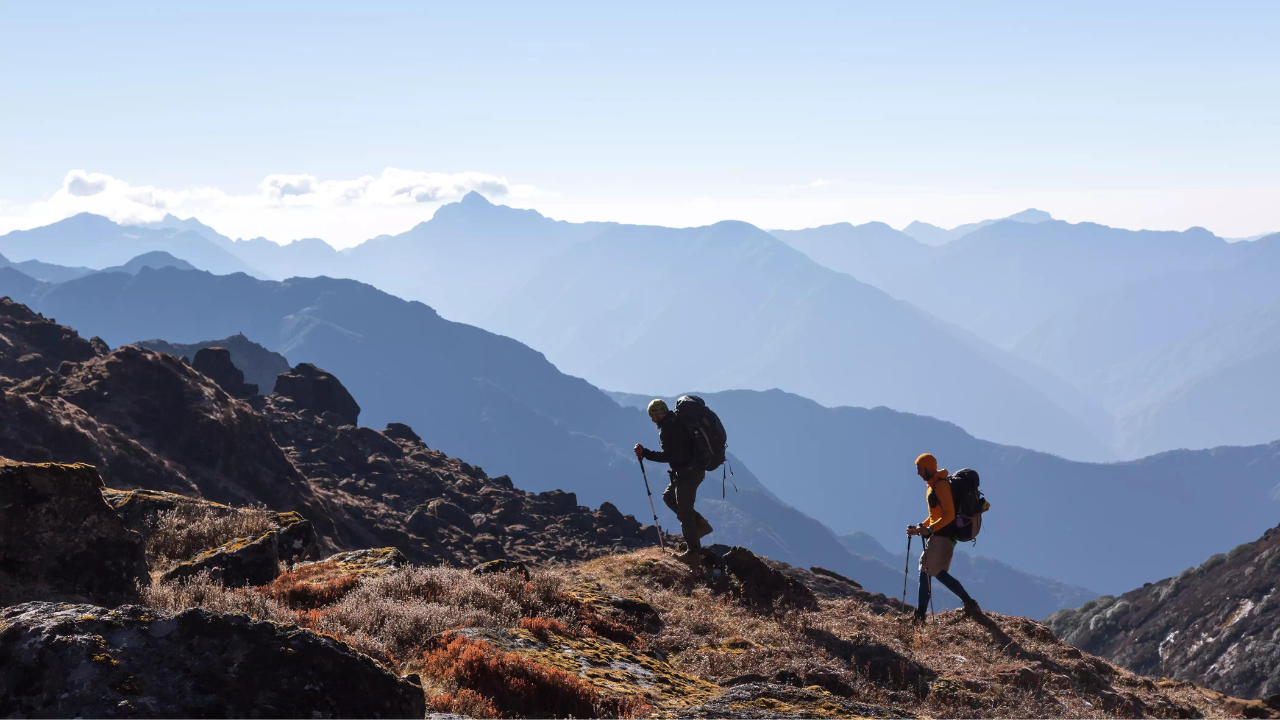
The recent ‘Zabarwan gunfight’ incident, in which two trekkers were inadvertently caught in an encounter between security forces and militants, has pointed to the complexities of civilian safety. The quick response and tactical judgment demonstrated by the Jammu and Kashmir Police not only averted a potential tragedy but also underlined the challenges that law enforcement faces in managing security operations in sensitive areas. The trekkers had set out for a trekking expedition in the Zabarwan hills on Sunday. Equipped with trekking gear, including backpacks and walking sticks, they found themselves inadvertently in a volatile situation as gunfire erupted. As they sought cover behind rocks, one of the trekkers managed to dial the emergency number to alert the police to their presence and location. Their proximity to the militants, as well as the presence of their trekking gear, which could easily be mistaken for weapons, placed them in extreme danger of being misidentified by security personnel engaged in the gunfight. Upon receiving the distress call, a J&K Police team, led by SSP Srinagar Imtiyaz Hussain Mir, swiftly mobilized to the area. Understanding the urgent and precarious situation, the officers faced a critical decision: continuing the operation could have escalated risks for the trekkers, while delaying could allow militants to escape or regroup. However, the police team temporarily halted the engagement to prioritize the safe evacuation of the civilians. This measured response reflects the training, judgment, and adaptability required by security forces in conflict-prone regions, where maintaining civilian safety often presents challenges. In combat zones, identifying hostile from non-hostile entities is challenging, especially when time-sensitive decisions need to be made. The team’s success in safely evacuating the trekkers illustrates both their professionalism and their commitment to preserving life, even in the midst of a confrontation. Following this incident, IGP Kashmir Vidhi Kumar Birdi, issued an advisory urging trekkers to inform local police of their travel plans and routes before venturing into potentially risky areas. Similarly, the District Police Kupwara mandated prior permission for trekking in the region’s higher reaches, highlighting the importance of pre-emptive measures in mitigating civilian risk. This mandatory permission process will allow the police to monitor civilian movements, identify potential security threats early on, and organize swift responses in case of emergency. The Zabarwan gunfight incident serves as a reminder of the dual responsibilities of law enforcement: conducting counterterrorism operations while ensuring civilian safety. The approach by the J&K Police and their clear communication regarding safety protocols may also build greater awareness among tourists and adventure enthusiasts, helping to establish a more secure environment for visitors and residents alike. This incident illustrates the broader challenges faced by both the public and security forces in Kashmir, where unexpected encounters with militancy can occur even in recreational or scenic areas. It reinforces the importance of safety guidelines and protocols, such as providing information on travel routes and obtaining trekking permissions. These measures may appear restrictive to some, but they play a key role in ensuring public safety.
Civilian Safety