

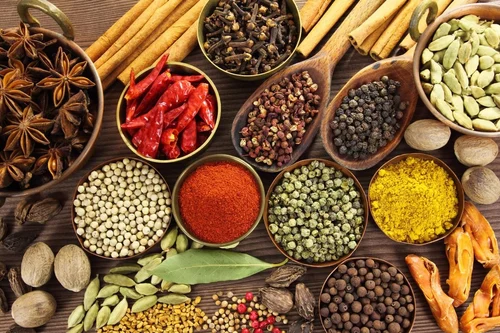
Spices are at the heart of Indian cooking—jeera, elaichi, dal cheeni, dhaniya, the list goes on. Among them, garam masala is a star. Just a spoonful can turn a simple dal or sabzi into something irresistible. But because it’s so rich in flavour, some people avoid it, fearing acidity or digestive trouble. Is that really the case? Let’s see what experts say.
What’s in Garam Masala?
Garam masala is a blend of warm, aromatic spices. Common ingredients include cumin, coriander seeds, cardamom, cinnamon, cloves, black pepper, and bay leaves—often roasted before grinding. Some recipes also add nutmeg, fennel seeds, or star anise. Proportions vary by region and home, which is why homemade versions often taste fresher and more balanced than store-bought packets.
Health Benefits of Garam Masala
Nutritionist Rupali Dutta says its benefits come from the spices themselves, and with no fixed recipe, they can vary. Still, here are some common upsides:
- Supports digestion – Cumin, cardamom, cloves, and pepper stimulate digestive enzymes to break down food more efficiently.
- Boosts metabolism – Pepper and cinnamon contain phytonutrients that can help the body burn energy more effectively.
- Rich in antioxidants – Cinnamon, cloves, and cardamom protect cells, reduce inflammation, and may boost immunity and skin health.
- Reduces bloating – Its carminative properties ease gas, nausea, and discomfort.
- Freshens breath – Cloves and cardamom combat bacteria that cause bad breath.
Can It Cause Acidity?
Not directly. Nutritionist Shweta J. Panchal explains that the spices in garam masala are actually good for digestion. The problem arises if you already have an inflamed gut, consume it in large amounts, pair it with fried foods, or use low-quality store-bought versions. The advice: stick to fresh, homemade garam masala in moderate quantities.
Too Much Garam Masala? How to Fix It
If you’ve gone overboard:
- Add dairy – Cream, curd, or milk can tone down heat.
- Add tang – Lemon juice, vinegar, or tomatoes balance heaviness.
- Add starch – Potatoes, paneer, or rice can absorb excess spice.
- Add sweetness – Sugar or jaggery can balance bitterness.
- Serve cooling sides – Raita, cucumber salad, or lassi refresh the palate.
Can You Use It in Cold Dishes?
Yes, in small amounts. Sprinkle over salads, yoghurt dips, or raitas for subtle warmth. It works especially well in chickpea salads, boiled potato chaat, or spiced yoghurt.