

Srinagar: Caesarean section (C-section) deliveries have crossed 50 percent in Jammu and Kashmir.
According to the National Family Health Survey (NFHS-6), 51 per cent of births in Jammu and Kashmir were delivered through caesarean section during 2023-24, up from 41.7 per cent recorded in the previous NFHS conducted in 2019-21.
As per the data, currently, 18 states in India have more than half the births in private facilities that are C-sections.
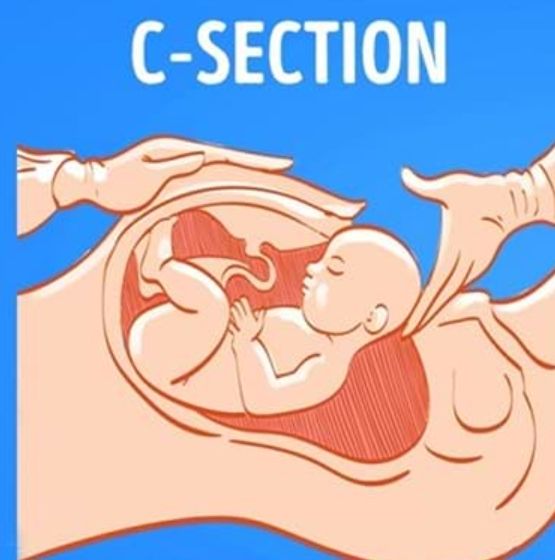
A caesarean section, commonly known as a C-section, is a surgical procedure used to deliver a baby through incisions made in the mother’s abdomen and uterus. Doctors typically recommend the procedure when complications make a normal vaginal delivery risky, including conditions such as placenta previa, obstructed labour, foetal distress, abnormal foetal positioning, hypertension, and other maternal or pregnancy-related complications.
The NFHS-6 survey found that caesarean deliveries were significantly more common in urban areas of Jammu and Kashmir, where 68.9 per cent of births were delivered through C-section, compared to 47.1 per cent in rural areas.
The increase has been particularly pronounced in private healthcare institutions, where 90 percent of births were delivered through caesarean section in 2023-24, compared to 82 per cent during 2019-21.
The trend was not limited to private hospitals. Caesarean deliveries in public health facilities also registered an increase, rising to 48 per cent in 2023-24 from 42.7 per cent in the previous survey period.
The survey also showed a rapid increase in institutional deliveries, with 93.6 percent of total births taking place in health institutions.
As many as 97.3 percent of births in urban areas and 92.8 per cent in rural areas took place in health institutions.
Notably, the WHO considers 10-15% to be the acceptable C-section rate, and most countries have rates well above this.
Health experts said the growing preference for caesarean section deliveries among expectant mothers, coupled with changing attitudes toward labour pain, is contributing significantly to the rise in C-section births in Jammu and Kashmir.
“While a few come with complications making it mandatory for a C-section, some deliberately choose this type of delivery. Some patients, mostly with a history, believe that vaginal deliveries could pose a threat to their lives and that of their babies, and opt for C-sections instead. There needs to be awareness, and the government should also come up with strict rules to put an end to this trend,” said Dr Arsalan Ahmad, a health expert.