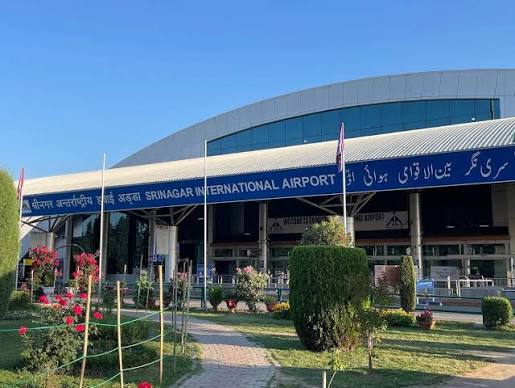
Srinagar International Airport’s decision to withdraw restrictions on its operational hours is a welcome development for Kashmir Valley. The move comes at an important time, as the Valley prepares for the third edition of the Kashmir Marathon on October 25 and enters the autumn-winter tourism season. The announcement has, therefore, sent out a positive message. These developments offer an opportunity to improve connectivity, attract visitors and extend tourism activity beyond the traditional peak season. For a destination like Kashmir, air connectivity directly affects tourism, trade, hospitality and the wider economy. Tourists often plan short holidays around available flight timings. Limited options can make travel difficult, particularly for visitors who have to coordinate their arrival and departure with hotel bookings, sightseeing plans and other commitments. More flexible flight schedules could help them make better use of their time in the Valley. The Kashmir Marathon comes at a time when Kashmir’s autumn landscape offers a distinct tourism experience. Pleasant daytime conditions, heritage gardens and the changing colours of the Valley provide a strong attraction for visitors. Autumn tourism can appeal to those seeking nature, photography, walking trails, cultural experiences and peaceful holidays. The marathon can serve as a platform to showcase these attractions and encourage visitors to explore Srinagar and other destinations. As autumn gives way to winter, the challenge is to maintain this momentum. Kashmir has considerable potential for winter tourism, particularly through snow-based activities, mountain destinations, local cuisine, handicrafts and cultural experiences. Gulmarg and other snow destinations can draw visitors when weather conditions permit. Srinagar, meanwhile, can offer heritage walks, lake experiences, traditional markets and local food. A broader tourism strategy can help distribute visitors across destinations and activities rather than concentrating demand in a few locations. However, reliable transport, quality accommodation, road maintenance, sanitation, public safety and clear information are equally important. Winter brings its own difficulties. Snowfall, fog and other adverse weather conditions can disrupt flights and road travel. Late-evening flight operations, even when permitted, cannot eliminate these challenges. Airlines and airport authorities must coordinate closely, while passengers need timely updates about cancellations, delays and revised schedules. The administration should use the revised airport operating arrangements as an opportunity to strengthen coordination among the Tourism Department, airport authorities, airlines, hotel associations and transport operators. Tourist information services should provide updated travel guidance. Hotels and tour operators should communicate clearly about bookings and weather-related changes. Adequate transport arrangements should be available for visitors arriving late in the evening, subject to actual flight schedules. Sports tourism, heritage tourism, food tourism, handicrafts and nature-based experiences can help create a more diverse tourism economy. Local communities must remain central to this approach. Tourism growth should generate employment and income for small businesses while protecting Kashmir’s fragile environment and rich cultural heritage. Kashmir should aim to become a destination that visitors can access and enjoy throughout the year, not just during a few peak months. Better connectivity, effective planning and a wider range of tourism experiences can help achieve this goal.
Better Connectivity