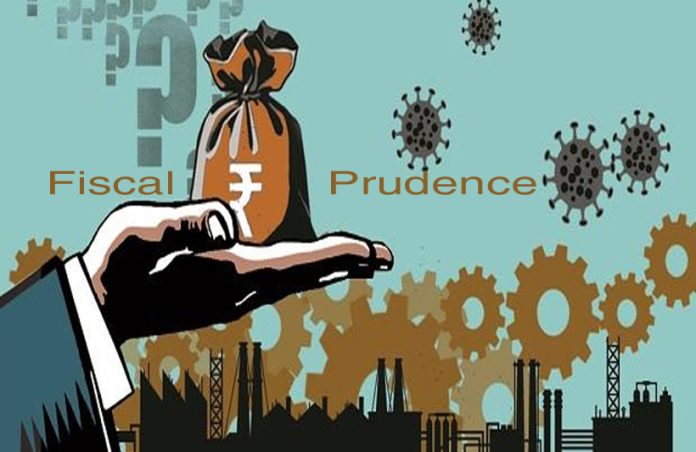
The Jammu and Kashmir government’s announcement of austerity measures to streamline financial management and curb non-essential expenditures is aimed towards fiscal prudence. The government intends to address financial inefficiencies through imposition of a 10% economy cut on budget allocations for operational expenses, hospitality and publicity. The emphasis on limiting unnecessary expenditures, such as hosting conferences and exhibitions outside J&K, resonates with the need to channel resources into areas that directly impact public welfare. By curbing extravagant spending, the government aims to ensure that taxpayer money is utilized judiciously, especially at a place where developmental needs are immense. The directive to cap revenue expenditure at 30% in the last quarter and 15% in March is a commendable move to prevent the notorious “March rush”—a common phenomenon in public financial management where unspent funds are hurriedly utilized before the fiscal year ends. This measure, coupled with restrictions on advance payments and procurement expenditures, would ensure adherence to codal procedures and minimizes wasteful spending. The directive to identify and surrender posts that have been vacant for over two years reflects an effort to rationalize public expenditure. The government, however, must ensure that these measures do not hinder the delivery of essential services. For these austerity measures to achieve their intended outcomes, strict implementation and robust monitoring are imperative. The Finance Department’s emphasis on compliance, with Director(s) Finance and Financial Advisor(s) tasked with ensuring adherence, is a step in the right direction. Transparency will also play a key role in the success of these measures. Regular reporting on the savings achieved and their reallocation to developmental projects will not only build public trust but also provide a clear narrative of how these steps contribute to the region’s long-term growth. The austerity measures announced by the Jammu and Kashmir government are a necessary response to the fiscal challenges facing the region. By curbing unnecessary expenditures and promoting financial discipline, the government aims to create a more efficient and accountable system of governance. However, the success of these measures depends on their strict implementation, careful monitoring, and a balanced approach that ensures developmental priorities are not compromised. The austerity measures introduced by the Jammu and Kashmir government bring several positives that could have a transformative impact on the region’s financial health. By curbing unnecessary expenditures and prioritizing resource optimization, these steps will free up funds for critical sectors such as healthcare, education, and infrastructure development. The emphasis on reducing wasteful spending, particularly during the financial year-end, will enhance transparency and accountability. These measures will lead to greater public trust in governance. Moreover, discouraging extravagant events and focusing on utilizing existing government infrastructure for meetings and conferences sets a precedent for prudent financial management. These measures also align with broader goals of sustainable development, ensuring that public resources are channeled into initiatives that directly benefit the people. Ultimately, these steps not only reinforce fiscal discipline but also create a framework for long-term economic stability and growth in the union territory of Jammu and Kashmir.
Austerity Measures