

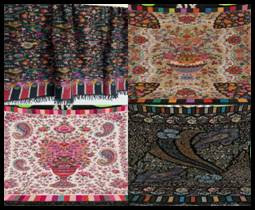
SRINAGAR, OCTOBER 27: An artisan from Jammu and Kashmir showcased the region’s traditional textile craftsmanship at the two-day Cultural Bazar organised during the 12th BRICS Parliamentary Forum at the Parliament House Complex in New Delhi on October 26 and 27.
Masrat Fayaz, a tailor from Jammu and Kashmir, was among eight artisans and craftspeople supported under the Pradhan Mantri Vishwakarma Scheme of the Ministry of Micro, Small and Medium Enterprises who participated in the event. The artisans represented Jammu and Kashmir, Rajasthan, Bihar, Madhya Pradesh, Jharkhand, Nagaland, Karnataka and Maharashtra.
The Cultural Bazar provided a platform to showcase India’s rich cultural heritage, traditional crafts, artisan-made products and indigenous skills to national and international delegates attending the parliamentary forum. The products displayed by artisans under the scheme drew appreciation from BRICS delegates, highlighting the diversity of India’s traditional craftsmanship.
Fayaz specialises in tailoring shawls, stoles, traditional Kashmiri pherans and Pashmina shawls. Her participation brought attention to Kashmir’s textile heritage and the skills of local artisans who continue to preserve traditional designs and techniques while exploring opportunities to expand their businesses.
According to the information shared by the Ministry, Fayaz has enhanced her tailoring skills and gained access to modern tools through the PM Vishwakarma Scheme. The support has helped improve product quality, finishing and productivity. Her participation in government exhibitions has also provided opportunities to showcase her creations and explore wider markets.
The other participating artisans represented a range of traditional trades, including goldsmithing, stone carving, doll and toy making, tailoring and cobbling. They displayed handcrafted products at the PM Vishwakarma stall, while selected participants conducted live demonstrations of traditional craft-making techniques.
The participating artisans included Makbul Jadu Patiya from Jharkhand, who specialises in Dokra metal craft made using the traditional lost-wax casting technique. His participation in exhibitions such as Dilli Haat and state trade fairs has helped him gain wider market exposure. His onboarding on Amazon has also opened opportunities to reach more customers.
Anurag Sahu from Madhya Pradesh showcased hand-carved marble statues, religious articles, souvenirs and home décor products made from New Bhedaghat Marble of Jabalpur. Practising the Geographical Indication-tagged Jabalpur Stone Craft, he combines traditional artistry with intricate detailing. Support under the scheme has helped him establish an online presence on Amazon and Flipkart.
Bajirao Shamrao Satpute from Maharashtra represented Kolhapur’s traditional leather craftsmanship through handcrafted Kolhapuri chappals featuring intricate detailing and the distinctive Nach Mauri Patta design. His participation in a state-level exhibition and onboarding on Amazon have helped him explore better branding and wider market access.
Deepu S from Karnataka showcased traditional Channapatna and Kinhal toys, reflecting the state’s heritage of toy-making. Under the scheme, he received a toolkit, completed skill training and joined the Meesho e-commerce platform to reach a wider customer base.
Dheeraj Kumar from Bihar displayed intricate wooden and stone sculptures of Lord Buddha and other deities, reflecting Gaya’s historical connection with Buddhism. The scheme’s loan assistance helped him purchase raw materials, while the toolkit improved his ability to cut, grind and polish his creations.
Mohamad Nasim from Rajasthan showcased traditional lac bangles decorated with vibrant colours, stones and handcrafted designs. He received skill training, a modern toolkit and loan assistance under the scheme and was onboarded on Amazon, helping him improve his craftsmanship and expand his business.
Throngli Sangtam from Nagaland presented handmade crochet dolls inspired by traditional Naga attire, tribal motifs and cultural symbols. Her participation in Dilli Haat and association with the collective Mother’s Craft have helped showcase her work. Loan assistance enabled her to invest in quality raw materials, while an agreement with the Department of Women Resource Development opened opportunities to sell her products through the MyKi store.
The participation of the eight artisans highlighted the role of the PM Vishwakarma Scheme in supporting traditional trades, improving access to tools and skill training, and creating opportunities for artisans to connect with wider markets.
The Cultural Bazar also offered an opportunity for delegates to observe the craftsmanship involved in producing traditional goods and learn about the diverse skills passed down through generations.
The initiative aimed to increase the visibility and recognition of artisan communities, strengthen market linkages and encourage the preservation of traditional skills. For artisans from Jammu and Kashmir, such platforms provide an opportunity to present the region’s distinctive textile traditions to national and international audiences while exploring avenues for expanding their livelihoods.