

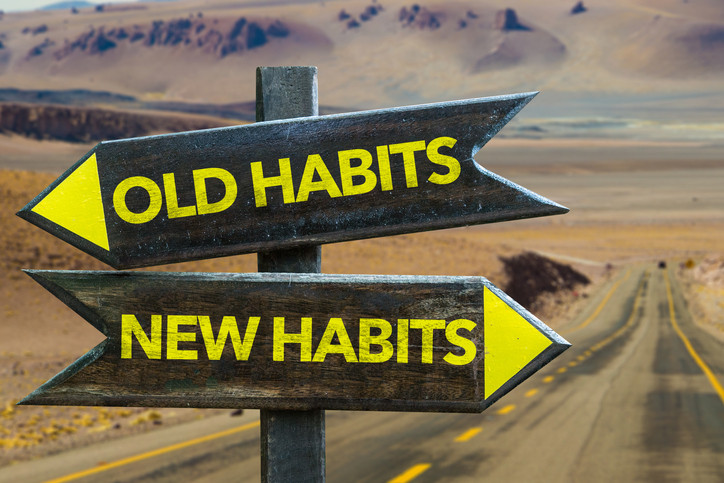
Recovering from drug addiction marks a profound journey of transformation and renewal. For many, it’s not just about overcoming a habit but forging a new path toward health, purpose, and self-discovery. In this article, we explore strategies and insights to help individuals navigate this pivotal phase, offering guidance on embracing a fresh start and building a fulfilling life beyond addiction.
Embracing a New Beginning: The Journey Beyond Drug Addiction
Recovery from drug addiction is a transformative journey requiring courage and commitment. It’s not just about overcoming habits but embracing a new life perspective that inspires others in similar struggles. Starting afresh involves creating new routines and relationships, supported by a strong network and possibly medically assisted alcohol detox.
This journey fosters personal growth and builds a fulfilling lifestyle through productive activities like work or education. It leads to greater authenticity, self-worth, and a deep appreciation for life’s joys, forming the foundation for lasting sobriety and happiness.
The Role of Support Systems in Maintaining Sobriety
A strong support system is crucial for sustainable recovery from drug addiction. It can range from family and friends to professional counselors and peer-support groups. Support groups offer a platform for sharing experiences and coping strategies, reducing feelings of isolation and providing a sense of belonging. Professional counseling addresses underlying mental health issues, helping individuals develop healthier responses to stress and triggers. It also helps work through past traumas or emotional baggage.
Family involvement is also essential, as family therapy improves communication and helps families understand the complexities of addiction. The support of loved ones can be motivating and comforting, reminding individuals that they are not alone and valued beyond their addiction.
Essential Steps to Rebuild Your Life After Addiction
Overcoming addiction involves several key steps to rebuild one’s life. Starting with a commitment to sobriety, many begin with a medically assisted alcohol detox for safe withdrawal management. Therapy helps address underlying psychological factors while establishing a new routine with exercise, healthy eating, and hobbies fosters mental well-being and reduces relapse risks.
Educational pursuits, like pursuing a bachelor degree in social work, offer both career opportunities and personal growth, supporting long-term recovery. Repairing relationships and forming supportive connections also play vital roles in maintaining sobriety and rebuilding a fulfilling life post-addiction.
Rediscovering Purpose and Passion Post-Recovery
Recovery from addiction can be empowering by rediscovering one’s purpose and passions. Engaging in creative pursuits like art, music, or writing can provide a therapeutic outlet and personal achievement. Volunteering can help individuals gain a sense of community and self-worth, develop new skills, and reinforce the value of sobriety through constructive action.
Many find purpose in their recovery journey by helping others struggling with addiction, reinforcing their choice to live a sober life and serving as a daily reminder of their progress. Rediscovering passion requires patience and self-exploration, but it can lead to a life rich in fulfillment, happiness, and satisfaction.
Dealing with Relapse: Strategies for Staying on Track
Relapse is a common challenge in recovery, but it’s not an end to recovery but an obstacle to overcome. A relapse prevention plan with a therapist or counselor can help manage difficult times. Staying connected with support systems, attending support group meetings, and maintaining openness about feelings can reduce the likelihood of relapse.
Recognizing triggers and developing coping mechanisms, such as mindfulness practices, can help maintain mental and emotional balance. When relapse occurs, seek help immediately to address the reasons behind the setback and rebuild the recovery plan, using the experience as a learning opportunity to further solidify sobriety.
Overall, recovery from drug addiction is a transformative journey that paves the way for a life of integrity, joy, and purpose. From seeking initial medical intervention to re-establishing a sense of self beyond addiction, each step is crucial to creating a resilient, sober life. Post-recovery challenges like relapse are navigable with strong support systems and coping strategies, ensuring that each individual has the resources they need to stay on the path to lasting recovery.